Few destinations in South America offer the sheer magic, archaeological wonder, and warmth that Peru delivers. From sunrise over the cloud forests of Machu Picchu to the vibrant culinary quarters of Barranco, traveling independently as a woman is one of the most rewarding adventures you can undertake.
However, moving through Peru with confidence requires separating internet alarmism from everyday ground realities. Peru is neither a lawless frontier nor a suburban resort. It is a diverse, warm, developing Andean country with specific social customs, distinct urban geography, and extreme mountain topography.
Here is the unvarnished, street-smart guide to solo female travel in Peru, written from the daily perspective of our local operations desk and female expedition leaders in Cusco.
The Honest Reality: What Solo Female Travel in Peru is Actually Like
The overwhelming majority of solo female travelers fall in love with Peru and experience zero safety incidents. Peruvians are culturally hospitable, family-centered, and deeply respectful of international visitors who treat their heritage and communities with kindness.
What you will experience is a high degree of visual interest. If you have fair skin, light-colored hair, or travel with a large trekking backpack, you will stand out in public spaces. In 99% of interactions, this translates into curious smiles, shopkeepers asking where you are from, and grandmothers (abuelas) offering helpful directions.
The primary safety concerns in Peru are not violent crimes; they are preventable situational mistakes:
- Walking through poorly lit peripheral neighborhoods alone late at night.
- Hailing unregulated street taxis outside airports or nightlife zones.
- Underestimating the physiological danger of high-altitude mountain trails when trekking alone.
- Overconsuming alcohol at high elevations where the body absorbs it much faster.
Where to Base Yourself: Safest Districts in Lima, Cusco & Arequipa
Your accommodation base sets the tone for your entire trip. Choosing neighborhoods with active municipal patrol (Serenazgo), well-lit pedestrian streets, and easy access to reputable cafes ensures effortless daily transit:
← Desliza horizontalmente para comparar columnas →
| Destination | Recommended Neighborhoods for Solo Women | Neighborhoods to Avoid Wandering Solo at Night |
|---|---|---|
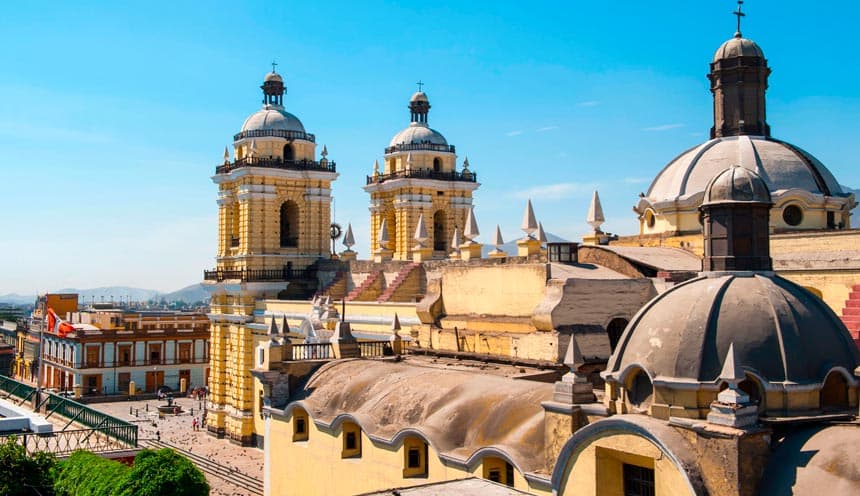
| Lima | Miraflores, Barranco, San Isidro (heavy security, oceanfront promenades, walkable dining) | Central Lima after 7:00 PM, La Victoria (near bus terminals), Callao (outside the airport terminal) |
| Cusco | San Blas, Plaza Regocijo, Santa Ana (lower flat slopes), Lucrepata | Peripheral hills of Independencia, deep Santiago market alleys, dark alleys off upper Saphi after midnight |
| Arequipa | Historic Center (near Santa Catalina), Yanahuara | Industrial bus terminal surroundings, Rio Chili riverbanks after dark |
| Puno | Central Jr. Lima pedestrian street | Lakefront dock areas alone past 8:00 PM |
Street Culture & Piropos: How to Handle Unwanted Attention
In Latin America, street remarks directed at women (piropos) can range from harmless compliments ("Buenas tardes, señorita") to unwanted catcalling ("Guapa", whistling, prolonged staring).
While machismo exists in traditional pockets of urban society, violent escalation against tourists is extraordinarily rare. Here is how local women and seasoned solo travelers navigate city streets:
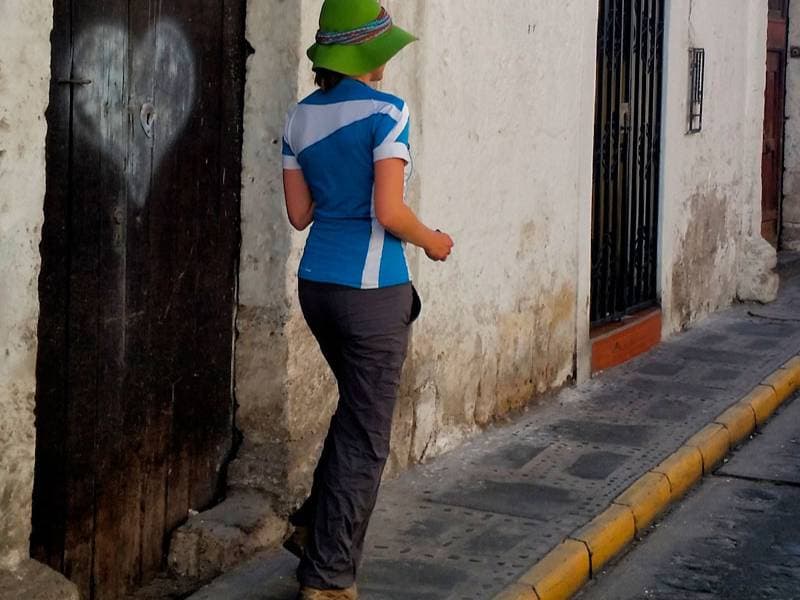
- The Andean Street Stride: Walk with clear purpose and upright posture. Avoid looking hesitant, stopping in the middle of a busy sidewalk to stare at your phone GPS, or displaying open maps. Step inside a pharmacy or bakery if you need to orient yourself.
- Sunglasses Are Your Armor: A pair of dark sunglasses eliminates accidental eye contact with idle men lingering near street corners or taxi stands.
- The Total Non-Reaction: If someone whistles or comments, do not look, smile, frown, or reply. Any reaction is viewed as engagement. Continue walking as if you heard nothing.
- The Firm Deterrent: In the very rare event that someone follows you or speaks uncomfortably close, stop, turn, and state loudly and firmly: "No me moleste, por favor" (Don't bother me, please). Public shaming is deeply uncomfortable in Peruvian culture; other pedestrians and street vendors will immediately look, and the person will walk away.
Transport Safety: Ride-Hailing Apps vs. Street Cabs vs. Night Buses
How you move between cities and within urban areas represents 80% of your safety margin.
1. Urban City Taxis
- In Lima: Never hail an unmarked taxi on the street. Lima has thousands of unregulated taxis piratas. Download Uber or Cabify. Both apps track routes via GPS, link to your credit card (eliminating cash arguments), and allow you to share live ride progress with friends or family.
- In Cusco: Cusco is small and highly walkable. Official registered city taxis are marked with illuminated roof signs and radio call numbers on the windshield. If leaving a restaurant or bar late at night, ask the staff to call a radio taxi (Taxi Turismo or Taxi O2), or use Uber.
2. Long-Distance Intercity Buses
Taking long-distance night buses (such as Lima to Arequipa, or Arequipa to Cusco) is economical and comfortable if you choose premier operators:
- Cruz del Sur & Civa (Excluciva): Book the first-floor VIP / Cama 160° cabin. These VIP compartments have only 9 to 12 wide leather seats, private curtain dividers, security cameras, and dedicated cabin stewards.
- Avoid Budget Bus Hubs: Never buy tickets at chaotic informal terminals where multiple regional carriers compete on price. These budget buses often make unscheduled roadside passenger pickups during the night.
High-Altitude Trekking: Why You Should Never Hike Remote Passes Alone
One of the most dangerous trends among solo travelers is attempting remote high-altitude Andean hikes completely unguided to save money.
Here is the medical and physical reality of the Peruvian Andes:
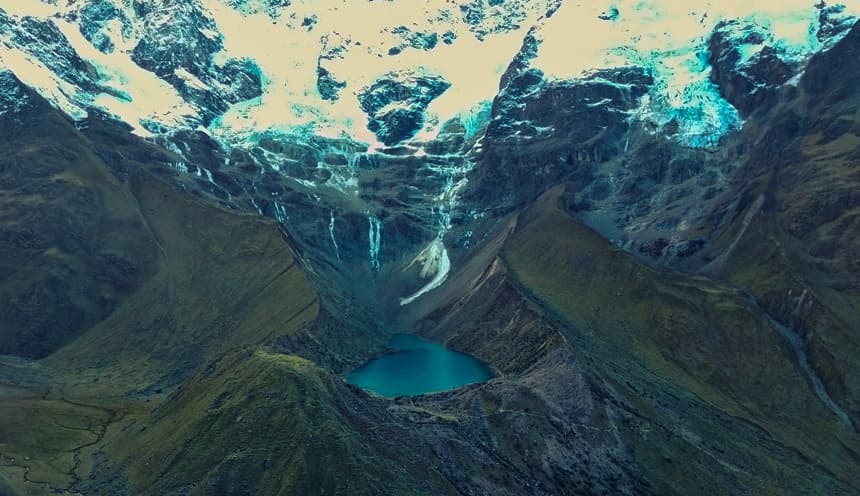
- Rapid Weather Shifts: A clear morning at Humantay Lake (4,200m / 13,779 ft) or Rainbow Mountain (5,036m / 16,522 ft) can transform within 30 minutes into driving sleet, dense freezing fog, or sub-zero lightning storms.
- Sudden High-Altitude Sickness: Acute Mountain Sickness (AMS) does not give warnings. If you develop cerebral edema (HACE) or pulmonary edema (HAPE) while alone on an isolated trail, your coordination fails, speech slurs, and you cannot walk down the mountain.
- Zero Cellular Signal: Andean mountain passes have zero mobile phone coverage. If you twist an ankle on loose glacial scree, you cannot call emergency services.
Local Team Recommendation: If you are traveling solo, join a small-group day hike (max 10 to 12 travelers). You get companionship with fellow international travelers, round-trip transport from Cusco, and a licensed guide carrying a portable medical oxygen cylinder and first-aid kit.
Nightlife & Socializing: Why Pisco Sours Hit Harder at 11,000 Feet
Cusco has a fantastic, warm nightlife scene centered around craft beer taprooms, live Andean jazz bars, and cozy cocktail lounges around the Plaza de Armas and San Blas.
However, keep these two physiological facts in mind:
- The Altitude Multiplier: At 3,400 meters (11,152 ft), your blood oxygen saturation is lower, and alcohol enters your bloodstream much faster while your body dehydrates twice as rapidly. One double Pisco Sour in Cusco feels like three drinks at sea level.
- Drink Spiking Awareness: While uncommon in reputable venues, never accept open drinks from strangers in late-night clubs, and never leave your glass unattended while dancing or visiting the restroom.
- Have a Definite Route Home: Before going out for the evening, ensure your phone has at least 50% battery, and memorize the physical address and landmark of your hotel. Walk home with other hostel/hotel companions, or take a registered radio cab.
Lodging Safety: 4 Non-Negotiable Amenities to Look For
When booking your hotels, boutique lodges, or hostels, look for these four features:
- 24/7 Staffed Reception Desk: Ensures that someone is always awake and monitoring the front entrance, preventing unauthorized individuals from entering guest hallways.
- Solid In-Room Safes: Essential for locking away your passport, backup credit cards, spare US dollars, and laptop while you are out exploring.
- Interior Garden or Courtyard Architecture: Traditional colonial buildings in Cusco feature thick stone exterior walls with peaceful interior courtyards. This provides immense acoustic tranquility and security from street noise.
- Verified Airport Pickup: For your arrival night into Lima or Cusco, arrange an advance airport transfer through your accommodation or a registered tour operator. Stepping off a long international flight into a waiting car with a personalized name sign eliminates 100% of initial arrival stress.
Local Team Advice: Abigail & Sylwia's Rules for Solo Travel
At Daspe Travel, our client care and mountain operations are driven by local women who live, hike, and coordinate field logistics across Peru every single day:
Abigail (Traveler Care & Operations):
"When you arrive in Cusco, don't rush. Spend your first afternoon drinking muña tea in a quiet courtyard, resting your lungs, and getting your bearings. Share your live location with family via WhatsApp, keep our local Cusco desk number saved in your phone (+51 926 415 460), and remember that our team is always just a quick message away if you ever feel unsure about a route, a taxi, or an excursion."
Sylwia (Expedition Coordinator):
"Solo travel in the Andes gives you an extraordinary sense of freedom and inner strength. You will meet lifelong friends from all over the world on the trails. Just respect the mountains: pack proper thermal layers, never hike uncharted passes alone, and listen to your body when the altitude speaks."
Traveling solo in Peru is an empowering, unforgettable experience. Move with awareness, embrace the genuine kindness of the Andean people, and let the wonders of this ancient country inspire you.