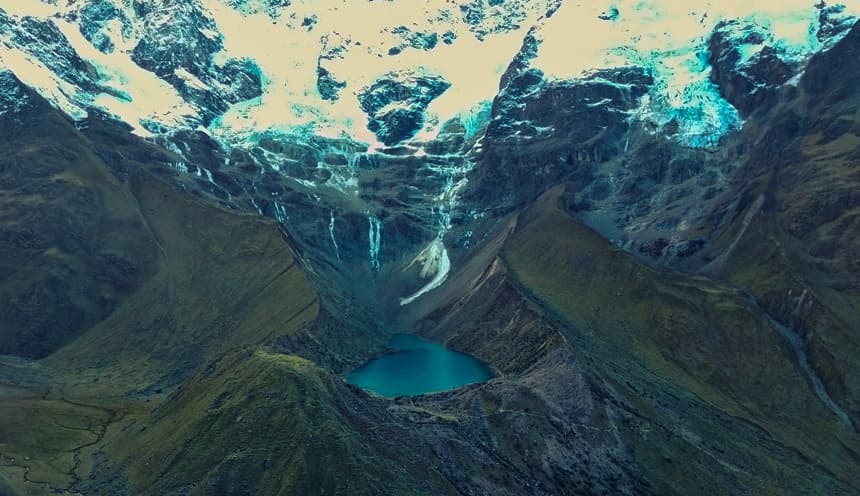
If you ask veteran mountain guides in Cusco to name their favorite day trek in the entire southern Andes, their answer is almost never the crowded trail of Vinicunca or the congested switchbacks of Humantay Lake.
Without hesitation, they will point east toward the colossal, snow-crowned pyramid of Mount Ausangate and whisper the name of a hidden alpine circuit: The 7 Lakes of Ausangate (Las 7 Lagunas de Ausangate).
Starting from the indigenous Quechua alpaca-herding village of Pacchanta (4,300 m / 14,107 ft), this circular trek leads you across sweeping high-altitude moraines directly beneath the ice avalanche faces of Mount Ausangate (6,384 m / 20,944 ft)—the most revered Apu (sacred mountain protector) in Inca spirituality.
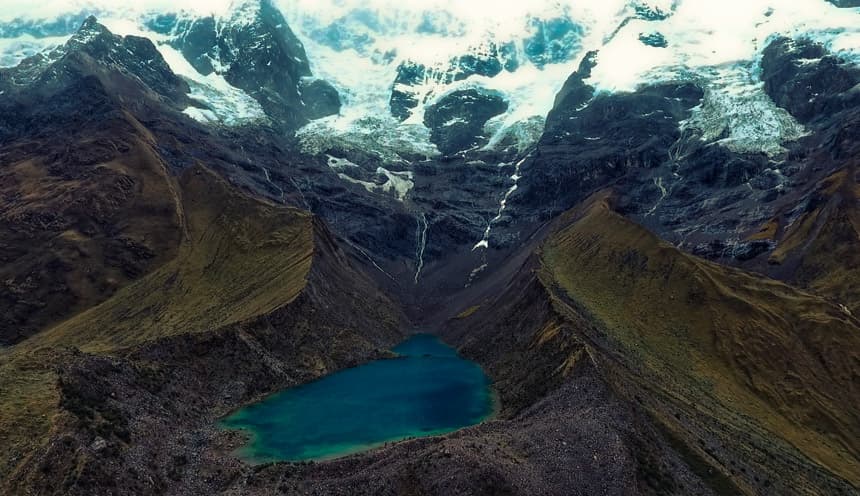
Along the trail, you pass seven distinct glacial lagoons shimmering in jewel-like hues of turquoise, cobalt, emerald, and copper-red, surrounded by thousands of grazing alpacas and vicuñas. And best of all? You will share this vast, untamed landscape with fewer than 50 other hikers all day.
Here is the complete guide-tested field blueprint for exploring Cusco’s premier high-altitude day hike.
The Ausangate Difference: Why Trekkers Call It Pure Andean Magic
While social media crowds queue in lines of hundreds for a 30-second photo at Vinicunca, Ausangate feels like the Andes of fifty years ago:
- Sacred Spiritual Scale: Ausangate is not just another peak; in Quechua tradition, it is the masculine energy that fertilizes the Amazonian cloud forest with glacial meltwater and watches over the people of Cusco. Standing at its base invokes a visceral sense of reverence.
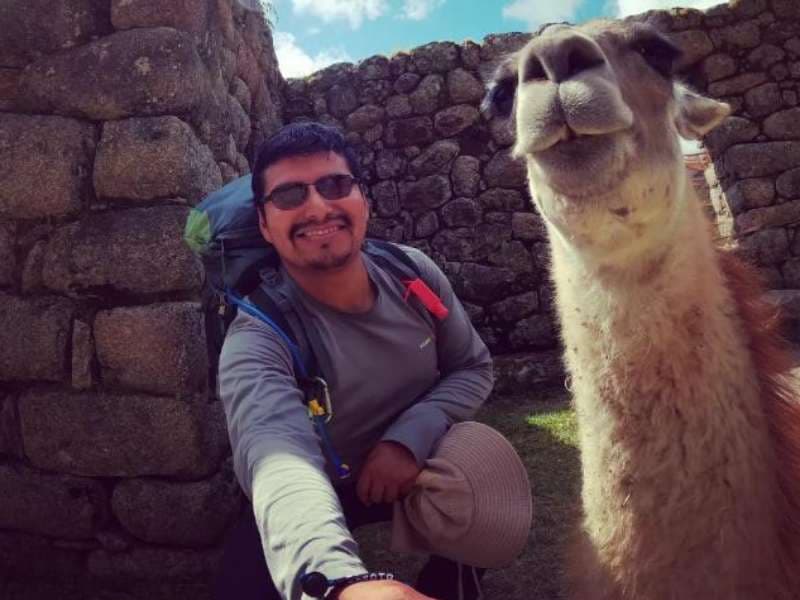
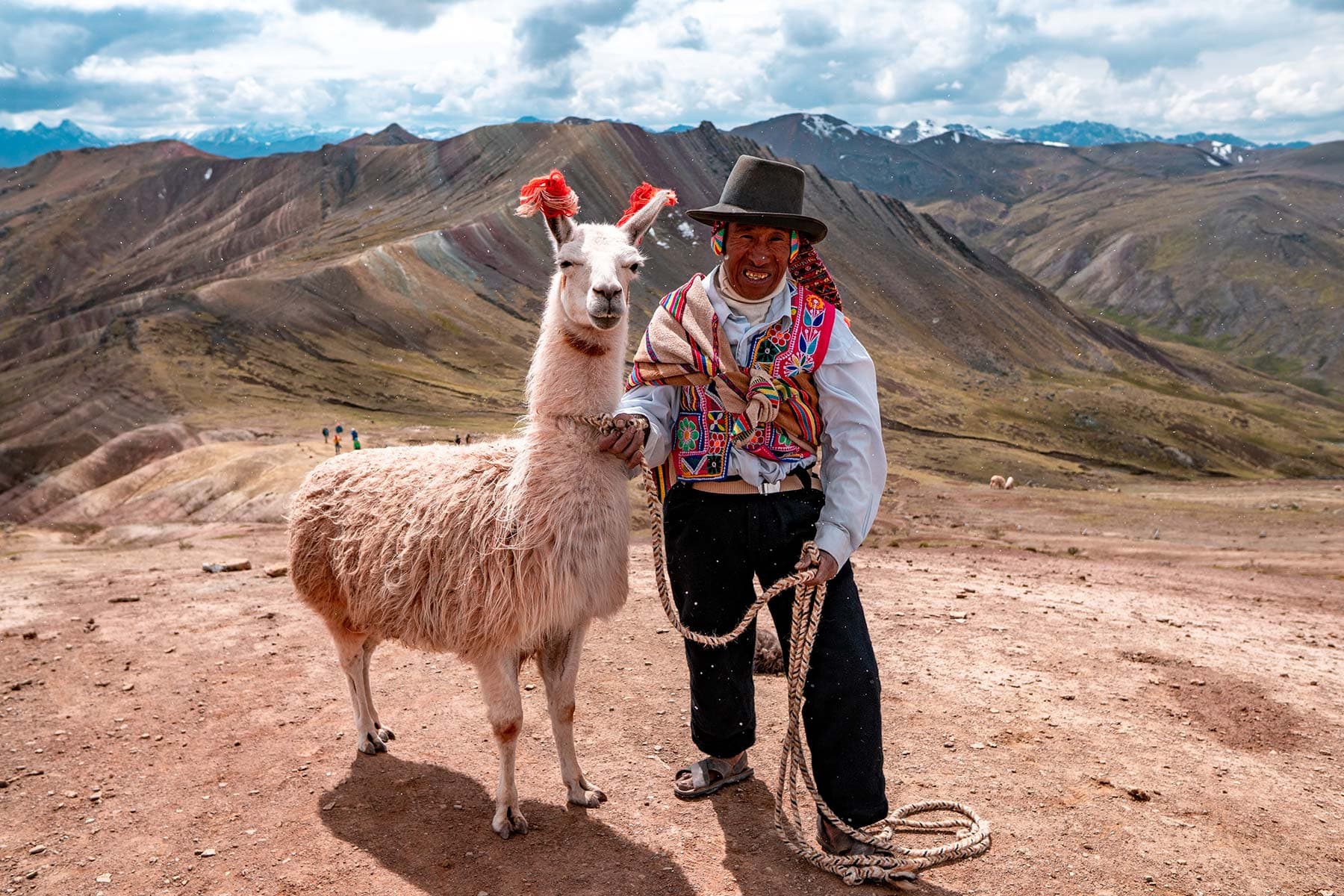
- Living Pastoral Culture: The surrounding valleys are inhabited by traditional pastoralist families who have raised alpacas and llamas for centuries. You will walk past herds of baby alpacas playing in the bogs (bofedales), guarded by Quechua shepherds wearing traditional hand-embroidered ponchos and chullos.
- Zero Commercial Chaos: There are no megaphones, no souvenir hawkers trailing behind you, and no motorized quad bikes churning up dust. Just the sound of wind across the paramo grass and distant glacial ice cracking on the upper mountain walls.
The 7 Glacial Lakes Profile (Color, Geology & Names)
Each of the seven lakes features a unique color dictated by depth, light angles, and suspended glacial rock flour (silt ground down by moving glaciers):
The 7 Lakes Sequential Loop:
- Pacchanta Trailhead (4,300m) ➔ 1. Azulcocha (Deep cobalt blue) ➔ 2. Otorongococha (Jaguar turquoise) ➔ 3. Pucacocha (Copper red) ➔ 4. Comercocha (Vivid emerald) ➔ 5. Alqacocha (Glacial mirror) ➔ 6. Oqecocha & 7. Yanacocha ➔ Pacchanta Hot Springs (38°C–40°C recovery).
- Laguna Azulcocha (Blue Lake): A deep, dramatic cobalt blue tarn cradled between lateral moraines, reflecting the sharp granite aiguilles of Ausangate.
- Laguna Otorongococha (Jaguar Lake): Named after the Andean mythological jaguar (Otorongo). The surrounding boulders and speckled mineral deposits along the shoreline resemble a jaguar's spotted coat.
- Laguna Pucacocha (Red Lake): Rich in oxidized iron deposits from the volcanic strata, this lake glows with a remarkable reddish-copper tint beneath the hanging glacier.
- Laguna Comercocha (Green Lake): The undisputed jewel of the circuit. A luminous, vibrant emerald-green lagoon that seems almost fluorescent under bright morning sunshine.
- Laguna Alqacocha: A tranquil high-moraine mirror lake that captures mirror-perfect reflections of the snow summits when the morning wind is still.
- Laguna Oqecocha: A serene, milky silver-turquoise tarn where glacial silt remains suspended in the water column.
- Laguna Yanacocha (Black Lake): A deep, dark lake nestled against steep dark shale cliffs, revered in local cosmology as an ancestral water source.
Trail Profile: Elevation Gain, Distance & Terrain Reality
- Trailhead & Base: Pacchanta Community (4,300 m / 14,107 ft).
- Maximum Trail Elevation: 4,650 m / 15,255 ft (along the high moraine ridge between Comercocha and Pucacocha).
- Total Elevation Gain: +350 vertical meters (gradual and rolling).
- Total Distance: 14.5 kilometers (9.0 miles) for the complete loop.
- Hiking Time: 4.5 to 6.0 hours of moderate, steady walking.
- Trail Surface: Narrow dirt single-track, spongy peat bogs (bofedales), and rounded glacial moraine pebbles.
Unlike Vinicunca or Humantay Lake—which feature continuous, punishing 30-degree to 45-degree uphill inclines—the Ausangate 7 Lakes trail is gentle and rolling. You gain elevation gradually across expansive glacial valleys with long flat plateaus, making the trek far more comfortable for hikers who dislike vertical staircases.
Ausangate 7 Lakes vs. Rainbow Mountain: The Real Comparison
← Desliza horizontalmente para comparar columnas →
| Category | Ausangate 7 Lakes (Pacchanta) | Vinicunca (Rainbow Mountain) |
|---|---|---|
| Max Elevation | 4,650 m / 15,255 ft (Kinder on lungs) | 5,036 m / 16,522 ft (Extreme hypoxia) |
| Trail Inclines | Gradual, rolling high plateaus | Very steep vertical climb |
| Daily Visitors | 30 to 80 hikers | 1,200 to 2,000 hikers |
| Landscape Diversity | 7 multi-colored lakes, massive glaciers, alpacas | Single mineral ridge view |
| Thermal Hot Springs | Yes (Natural 39°C baths at finish) | None |
| Atmospheric Noise | Silent wilderness wind | Crowded shouts, horses, whistles |
The Verdict: If you want an authentic, peaceful day in the high Andes with diverse landscapes, glacial tarns, and natural relaxation, Ausangate 7 Lakes is far superior to Vinicunca.
The Geothermal Hot Springs of Pacchanta (Recovery Magic)
The crowning reward of the Ausangate trek awaits you at the end of the 14-kilometer loop: The Thermal Baths of Pacchanta (Baños Termales de Pacchanta).
Directly in the center of the village, natural geothermal springs bubble up from deep subterranean volcanic faults:
- Water Temperature: A soothing 38°C to 40°C (100°F to 104°F) year-round.
- Mineral Profile: High in natural sulfur, iron, and magnesium, celebrated for easing joint inflammation, soothing sore quadriceps, and calming the nervous system.
- The View: You soak in open-air stone pools with steam rising into the crisp mountain air, looking directly up at the snowbound summit of Mount Ausangate gleaming in the afternoon sun.
- Admission: A modest S/ 5.00 Soles (approx. $1.40 USD) paid to the community cooperative.
Essential Gear Checklist for 4,650 Meters
- Thermal Base & Fleece: Merino wool base layer, mid-weight fleece, and a windproof Gore-Tex outer jacket.
- Supportive Hiking Footwear: Waterproof hiking shoes or boots; sections of the bogs can be muddy.
- Swimwear & Quick-Dry Towel: Packed in your daypack for the Pacchanta hot springs.
- Sun Protection: High-SPF mineral sunscreen, UV lip balm, and polarized sunglasses (snow and water reflections at 4,600m are blinding).
- Cash in Soles: S/ 20 to S/ 50 in small bills for hot springs, village snacks, and direct alpaca artisan purchases.
Frequently Asked Questions (FAQ)
What time does the tour depart Cusco?
Most tours depart Cusco between 4:00 AM and 4:30 AM, arriving in Pacchanta around 7:30 AM for breakfast before hitting the trail by 8:15 AM. You return to Cusco between 6:00 PM and 7:00 PM.
Can I hire a horse for the 7 Lakes?
Yes. Community horse wranglers in Pacchanta offer riding horses for approximately S/ 70 to S/ 90 Soles ($20–$25 USD) for the loop, led by a local guide.
Is the water in the lakes safe to drink?
No. Despite looking crystal-clear, high-altitude lakes are frequented by herds of alpacas and sheep. Always bring bottled water or use a certified water purifier.
Local Team Advice: Rodrigo's Ausangate Verdict
As our Official Mountain Guide Rodrigo notes:
"If you want the soul of the Peruvian Andes without tourist noise, go to Ausangate. Stand beside the emerald waters of Comercocha, feel the cold shadow of the great glacier, and soak in the warm waters of Pacchanta while the sun sets behind the ice walls. You will leave a piece of your heart in these mountains forever."