The 30-Second Verdict: What Actually Prevents Soroche?
Altitude sickness (soroche in Quechua) is not an illness—it is your body struggling to adapt to hypobaric hypoxia (low barometric pressure and fewer oxygen molecules per breath).
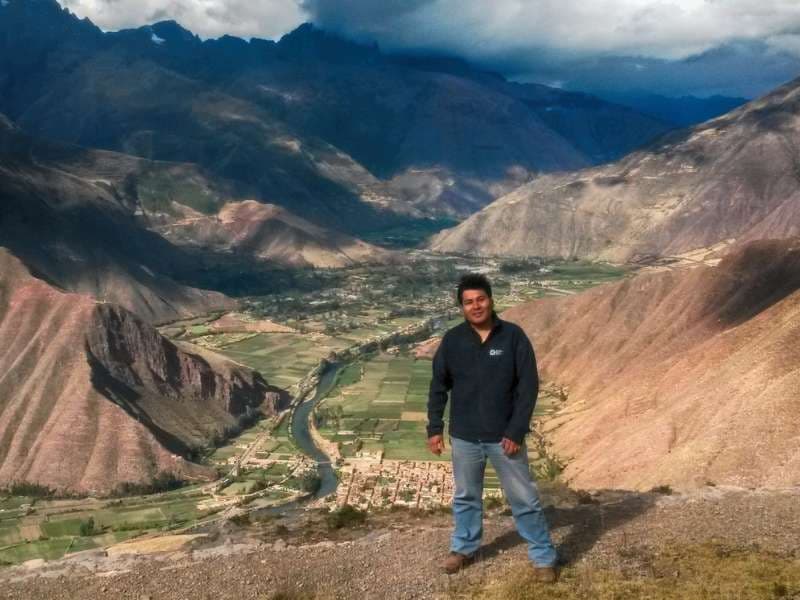
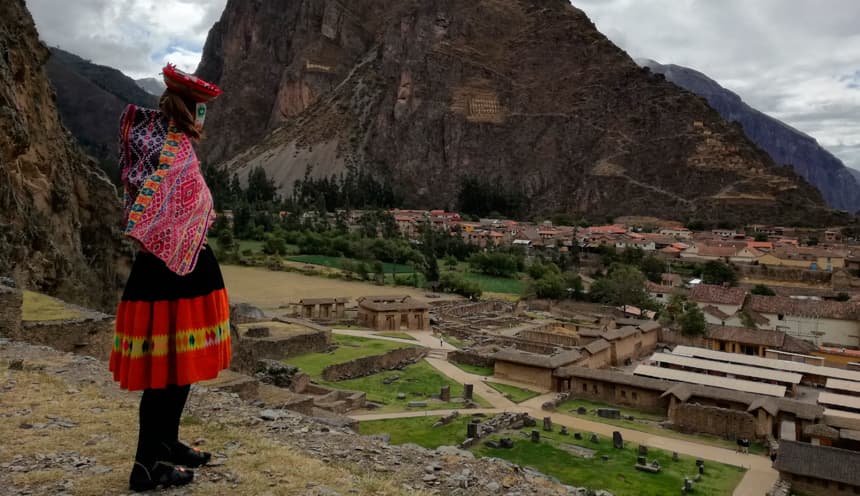
The single most effective medical strategy to prevent acute mountain sickness in Peru is the Sacred Valley Descent: when your flight lands in Cusco (3,399m / 11,151 ft), do not check into a hotel in Cusco. Have a pre-booked driver transfer you immediately down into the Sacred Valley (Urubamba or Ollantaytambo at 2,870m / 9,416 ft) for your first two nights. At 2,870 meters, your body receives 15% more effective oxygen than in Cusco, allowing your kidneys and lungs to adapt while you sleep soundly without a pounding headache.
If you are medically cleared by your physician, taking Acetazolamide (Diamox) 125 mg to 250 mg every 12 hours starting 24 hours prior to landing physically accelerates blood acclimatization. Coca tea is a pleasant Andean herbal tonic for mild nausea, but it is not a medical cure.
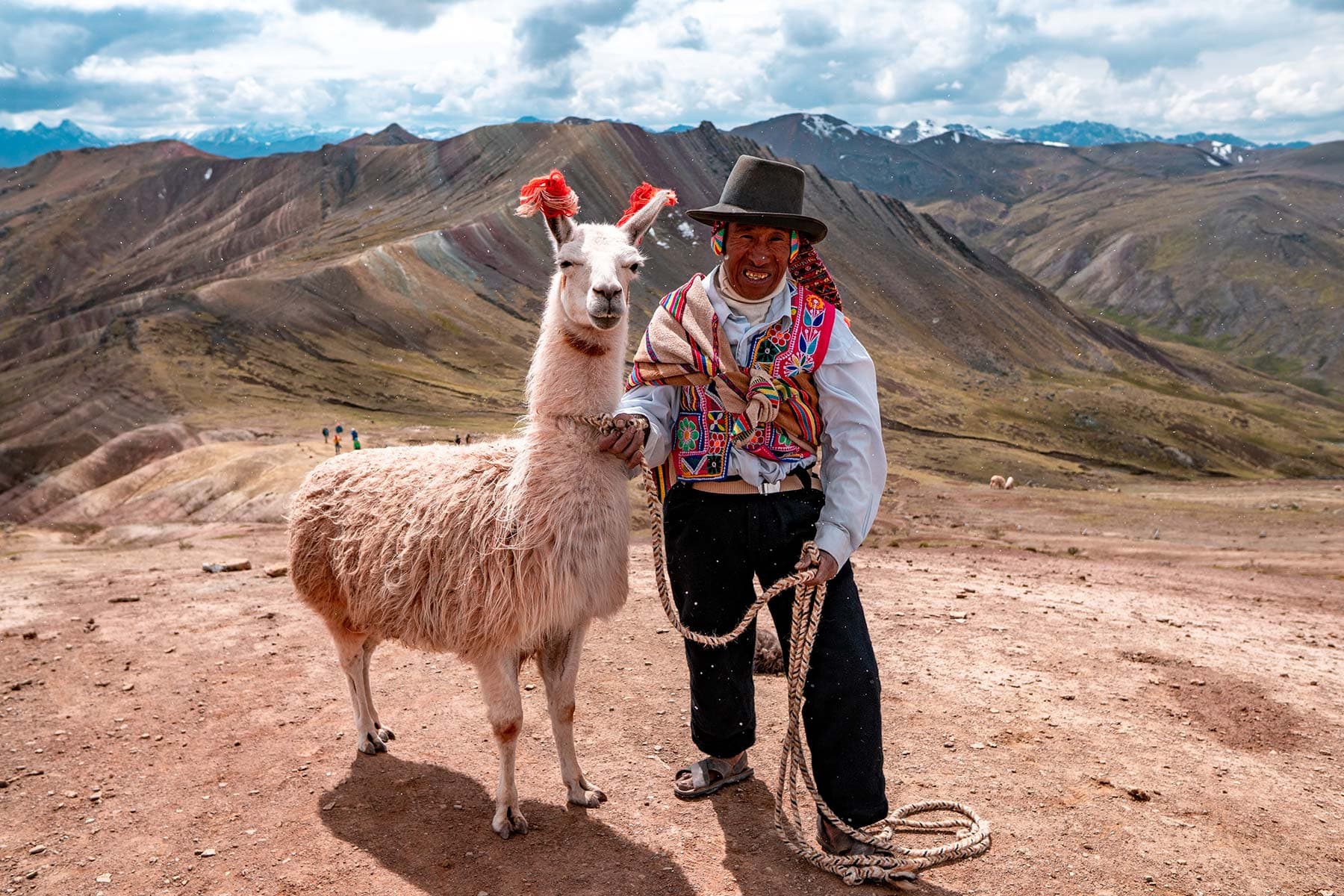
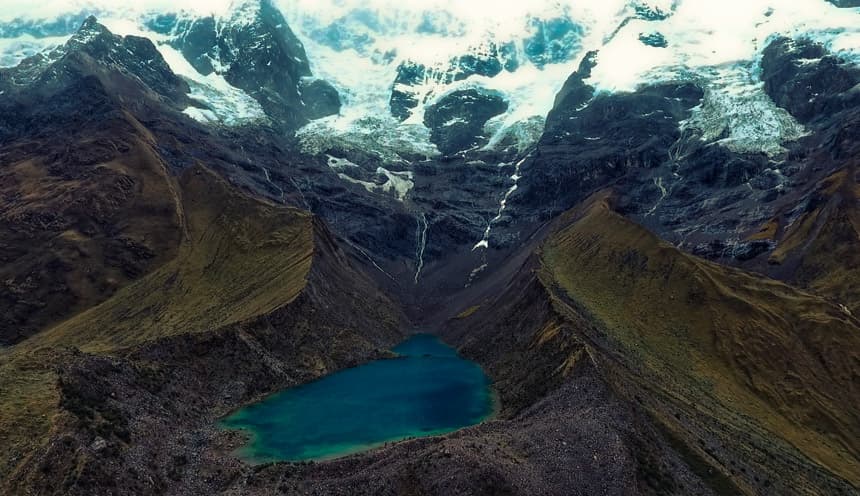
Never climb Rainbow Mountain (5,036m) or Humantay Lake (4,200m) during your first 48 hours in the Peruvian Andes.
The Elevation Matrix: Effective Oxygen Levels Across Peru
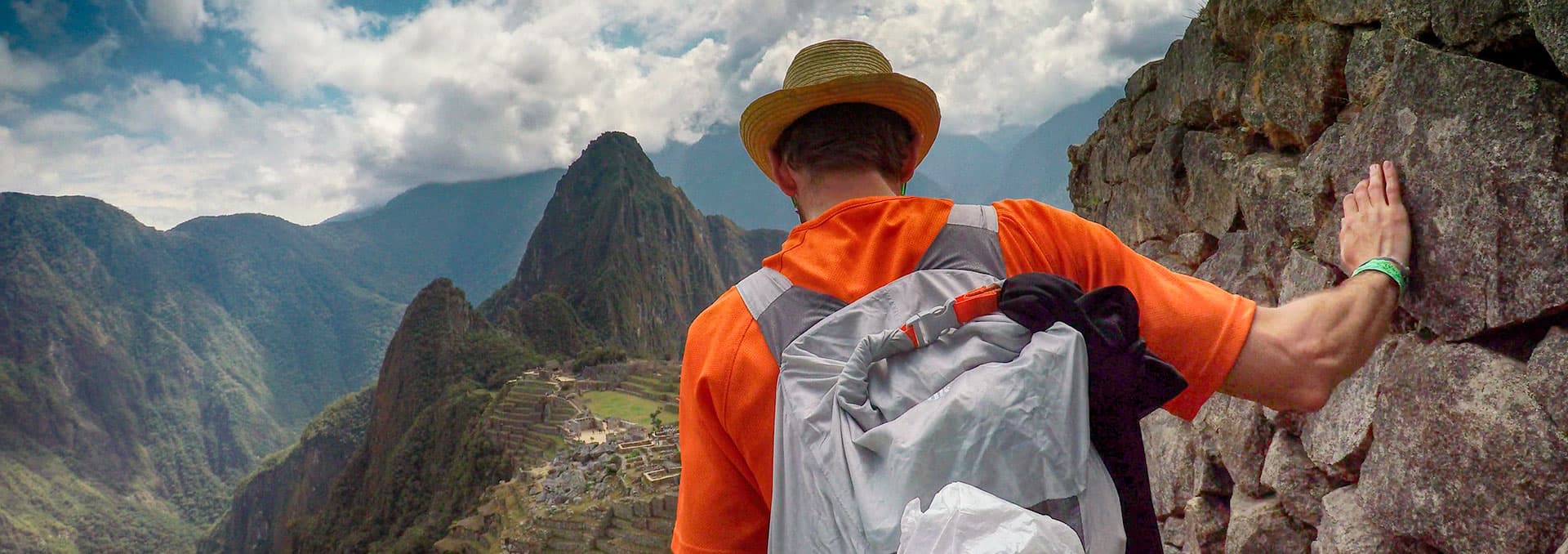
Many travelers assume all of Peru is "high up". In reality, the country features dramatic vertical relief. Interestingly, Machu Picchu sits nearly 3,000 feet LOWER than Cusco.
Here is the exact barometric and altitude profile of every major destination on the tourist circuit:
← Desliza horizontalmente para comparar columnas →
| Destination / Landmark | Altitude (Meters) | Altitude (Feet) | Effective Oxygen (% of Sea Level) | Recommended Acclimatization Buffer | Typical Symptoms if Rushed |
|---|---|---|---|---|---|
| Lima (Pacific Coast) | 0 m | 0 ft | 100% | None (Baseline) | None |
| Machu Picchu Citadel | 2,430 m | 7,972 ft | 76% | Mild (Most travelers feel energetic) | Mild shortness of breath on stairs |
| Sacred Valley (Urubamba) | 2,870 m | 9,416 ft | 73% | Day 1 & 2 Ideal Base | Mild fatigue, vivid dreams |
| Arequipa (Colonial City) | 2,325 m | 7,628 ft | 77% | Excellent intermediate stop | Minimal |
| Cusco Historic Center | 3,399 m | 11,151 ft | 68% | 48 Hours Required | Throbbing temples, insomnia, loss of appetite |
| Lake Titicaca (Puno) | 3,812 m | 12,506 ft | 64% | 3 Days Andean Adaptation | Dizziness on inclines, dry dehydration |
| Humantay Lake Summit | 4,200 m | 13,779 ft | 61% | 3+ Days Acclimatized | Nausea, heavy leg fatigue, rapid heart rate |
| Dead Woman’s Pass (Inca Trail) | 4,215 m | 13,828 ft | 60% | Pre-trek 3 days in Cusco/Valley | Gasping on stone steps, pulmonary strain |
| Salkantay Pass Summit | 4,630 m | 15,190 ft | 57% | Pre-trek 3 to 4 days | Slow sensory processing, heavy exertion |
| Palcoyo Rainbow Crest | 4,900 m | 16,076 ft | 54% | Day 3 or Day 4 minimum | Shortness of breath (gradual walking trail) |
| Vinicunca Rainbow Summit | 5,036 m | 16,522 ft | 52% | Day 4+ Strict Requirement | Acute exhaustion, vomiting if unacclimatized |
Diamox (Acetazolamide): Clinical Dosages, Timing & Side Effects
Acetazolamide (commercialized in the USA, UK, and Canada as Diamox) is the gold standard prophylactic medication recommended by the Centers for Disease Control (CDC) and the Wilderness Medical Society for acute mountain sickness prevention.
How Diamox Physically Works
At high altitude, the partial pressure of oxygen drops. Your body naturally compensates by breathing faster, which blows off carbon dioxide ($CO_2$). The loss of $CO_2$ causes your blood pH to become overly alkaline (respiratory alkalosis). Your brain senses this alkalinity and signals your lungs to slow down breathing—especially while you sleep at night. This causes periodic breathing (Cheyne-Stokes breathing): you wake up at 2:00 AM gasping for air, with a racing heart and a splitting headache.
Diamox solves this chemistry. It is a carbonic anhydrase inhibitor that forces your kidneys to excrete bicarbonate in your urine. This acidifies your blood, tricking your brainstem into breathing deeply and rapidly 24 hours a day, keeping your arterial blood oxygenated even during deep sleep.
Recommended Clinical Dosage
- Standard Adult Preventive Dosage: 125 mg taken twice daily (every 12 hours).
- When to Start: Take your first 125 mg dose 24 hours before arriving in Cusco (e.g., your last morning in Lima). Continue taking it morning and evening for your first 48 hours in the mountains. You can taper off on Day 3 once your body stabilizes.
- Higher 250 mg Doses: Some physicians prescribe 250 mg twice daily. While effective, clinical trials prove that 125 mg achieves identical acclimatization benefits with significantly fewer uncomfortable side effects.
Normal Side Effects (What to Expect)
- Paresthesia (Tingling Sensation): A harmless tingling or "pins-and-needles" sensation in your fingers, toes, lips, and cheeks. This is a normal pharmacological reaction, not an allergic response.
- Frequent Urination (Diuresis): Because Diamox forces bicarbonate out through your kidneys, you will urinate frequently. You must double your daily fluid intake (3 to 4 liters of water and electrolyte solutions daily).
- The "Flat Soda" Effect: Diamox inhibits the enzyme that allows your tongue to taste carbonation. Beer, champagne, soda, and sparkling water will taste metallic and completely flat while taking the medication.
Strict Medical Contraindication: Diamox is a sulfonamide derivative. If you have a documented allergy to sulfa-based antibiotics or medications, you CANNOT take Diamox. Always consult your personal physician before your trip.
Coca Tea & Sorojchi Pills: Cultural Relief vs. Chemical Myth
Every hotel lobby in Cusco greets arriving travelers with a steaming mug of mate de coca (coca leaf tea). While it is a cherished Andean tradition, it is crucial to understand what local remedies can and cannot do.
1. Coca Tea (Mate de Coca)
- The Reality: Dried coca leaves (Erythroxylum coca) contain 14 natural alkaloids, including minuscule traces of cocaine alkaloid (roughly 0.5% to 0.7% per leaf). In an infusion, these alkaloids act like a cup of mild green tea: they produce mild vasodilation, gentle bronchodilation, and central nervous system stimulation.
- What it Helps: It relieves mild morning drowsiness, soothes an unsettled stomach, and warms you up.
- The Golden Rule: Never drink coca tea after 5:00 PM. Because it acts as a stimulant, drinking it in the evening causes racing pulse and severe insomnia, compounding high-altitude sleep disruption.
- Workplace Drug Test Warning: Drinking a single cup of coca tea will cause you to test positive for cocaine metabolites on standard workplace urine drug screens for up to 72 hours. If your employment requires mandatory drug testing, avoid all coca teas, candies, and leaves entirely.
2. Muña Tea (Andean Mint)
- In Quechua traditional medicine, Muña (Minthostachys mollis) is far superior to coca tea for digestive symptoms. High altitude causes gastric motility to slow by 30% to 40% (gas expansion in the intestines). Sipping warm muña tea after meals instantly relieves bloating, gas, and stomach cramps.
3. Sorojchi Pills (Over-the-Counter Andean Cocktail)
- Sold in every pharmacy in Peru (InkaFarma, Mifarma) for roughly S/ 4 Soles per packet.
- The Formula: Each capsule contains Aspirin (acetylsalicylic acid 325 mg), Acetaminophen (Paracetamol 160 mg), and Caffeine (15 mg).
- The Verdict: Sorojchi Pills do not acclimatize your blood or stimulate respiration like Diamox. They simply dull headache pain and provide a mild caffeine boost. They are useful for mild daytime tension, but they do not prevent severe altitude illness.
The Sacred Valley Golden Rule: Sleep at 2,870m First
The single greatest operational insight from our 10+ years guiding travelers in Cusco is geographic pacing.
When you board a flight in Lima, you are sitting at sea level (0 meters). Just 75 minutes later, your Boeing 737 touches down on the tarmac at Alejandro Velasco Astete Airport in Cusco at 3,399 meters (11,151 feet).
The difference between sleeping at 3,400 meters in Cusco and sleeping at 2,870 meters in the Sacred Valley is night and day:
- At 2,870m, your atmospheric pressure is 540 mmHg vs. 510 mmHg in Cusco.
- Your resting oxygen saturation ($SpO_2$) typically hovers around 90% to 92% in Urubamba, compared to 82% to 86% in Cusco.
- Towns like Urubamba, Ollantaytambo, and Yanahuara feature lush gardens, warmer microclimates, and flat walking ground, allowing your cardiovascular system to gently produce more erythropoietin (EPO) and red blood cells without acute distress.
Explore our curated small-group Sacred Valley & Machu Picchu Excursions to see how our itineraries stage your hotel stays in Urubamba before returning you to Cusco.
Immediate Treatment: What to Do When Severe Soroche Hits
If you wake up with a pounding headache behind your eyes, nausea, and shortness of breath, follow this exact step-by-step clinical triage:
- Stop Ascending Immediately: Never continue hiking or driving higher up if you are symptomatic. Resting at your current altitude is the first rule of mountain safety.
- Hydrate with Electrolytes: Drinking pure plain water is not enough; rapid diuresis depletes sodium, potassium, and magnesium. Mix an oral electrolyte packet (Electrolit or Oral Rehydration Salts) into 1 liter of room-temperature water.
- Take Analgesics for Headache: Ibuprofen (400 mg to 600 mg) is proven in clinical mountain trials to be more effective than acetaminophen for high-altitude cerebral headaches due to its anti-inflammatory properties reducing brain swelling.
- Administer Supplemental Oxygen: Request an oxygen canister or front-desk concentrator from your hotel. Inhale medical-grade oxygen at 2 to 3 liters per minute for 15 to 20 minutes. This rapidly elevates your $SpO_2$ back above 94%, breaking the headache cycle.
- The Ultimate Cure is Descent: If symptoms worsen despite medication and oxygen, descend immediately. Driving 45 minutes down into the Sacred Valley or boarding the train to Aguas Calientes (2,040m) produces instant, miraculous clinical recovery.
Red-Flag Symptoms: Recognizing HAPE & HACE
Mild altitude sickness (headache, fatigue, reduced appetite) is common and manageable. However, you must recognize the two life-threatening complications that require immediate emergency evacuation:
1. High Altitude Pulmonary Edema (HAPE)
Fluid accumulates inside your lung air sacs (alveoli), preventing oxygen from entering the bloodstream.
- Red-Flag Warning Signs: Extreme breathlessness while resting in bed, a wet rattling sound in the chest, rapid breathing (>25 breaths/min), blue lips or fingernails (cyanosis), and coughing up pink or white frothy sputum.
- Action: Immediate supplemental high-flow oxygen, administration of Nifedipine (if medically trained), and immediate physical descent to low altitude. HAPE can be fatal within 12 hours if ignored.
2. High Altitude Cerebral Edema (HACE)
Fluid causes brain tissue to swell under high intracranial pressure.
- Red-Flag Warning Signs: Severe unremitting headache, confusion, slurred speech, hallucinations, and Ataxia (loss of coordination).
- The "Tandem Gait" Field Test: Ask the traveler to walk in a straight line touching heel to toe. If they stagger, sway, or fall over like an intoxicated person, they have HACE.
- Action: Emergency Dexamethasone (8 mg initially, then 4 mg every 6 hours), hyperbaric chamber treatment, and immediate emergency descent to Cusco or Lima.
Emergency Medical Clinics & Oxygen Services in Cusco
Cusco has world-class medical facilities staffed by bilingual doctors specializing in high-altitude medicine. Keep these verified medical contacts saved:
- O2 Medical Network (Cusco):
Address: Av. El Sol 948 / Av. Pardo, Cusco
Services: 24/7 bilingual medical house calls to hotels, hyperbaric oxygen therapy, cardiac monitoring, and ambulance transfers.
Emergency Hotline: +51 84 233 460 - Clínica Pardo:
Address: Av. de la Cultura 710, Cusco
Services: Full-service private hospital with intensive care unit, trauma center, and international travel insurance billing direct agreements.
Emergency Phone: +51 84 240 387 - Clínica Peruano Suiza:
Address: Av. Perú K-3, Urb. Manuel Prado, Cusco
Services: Swiss-standard private emergency clinic with certified mountain medicine physicians.
Emergency Phone: +51 84 237 345
All Daspe Travel tour transport vehicles and mountain guides carry certified medical oxygen tanks, pulse oximeters, and trauma trauma kits on every excursion.
The Local Guide Verdict: 5 Daily Habits for 100% Acclimatization
As our Lead Mountain Guide Rodrigo always reminds trekkers before heading out onto the Vilcanota trails:
- Eat a light, high-carbohydrate dinner on Night 1: Fat and red meat require 40% more oxygen for stomach digestion than carbohydrates. Choose quinoa soup, grilled chicken breast, baked sweet potato, or vegetable broth. Skip the heavy steaks.
- Drink 3 to 4 liters of fluid daily: Andean air is dry and cold. Every time you exhale, you lose moisture. Keep your urine pale clear.
- Walk with the "Chasqui Step": Slow your walking cadence by half. In the Andes, the tortoise always beats the hare. Take small, rhythmic, deliberate steps with rhythmic diaphragmatic breathing.
- Avoid sleeping pills and sedatives: Sleeping medications (such as Ambien, Xanax, or benzodiazepines) depress your respiratory system, dangerously worsening nocturnal hypoxemia at altitude.
- Listen to your body without ego: The Andes command respect. If you feel dizzy or lightheaded, inform your guide immediately. Adjusting your pace early prevents medical emergencies later.
Test your personal physiological risk level on our interactive Altitude & Soroche Risk Checker, or reach out directly to David and Abigail on our Cusco Operations Desk via WhatsApp for personalized route pacing.