Every year, thousands of eager travelers step off morning commercial flights at Alejandro Velasco Astete Airport in Cusco, check into a charming historic hotel in the cobblestone San Blas neighborhood, and find themselves incapacitated in bed within six hours—stricken with blinding headaches, nausea, heart palpitations, and relentless vomiting.
They assume altitude sickness is an unavoidable lottery.
It is not. It is a predictable physiological response to a catastrophic logistical error: sleeping at 3,399 meters (11,152 feet) on your first night in the Andes.
There is a proven, guide-tested medical alternative that mountain professionals and luxury operators utilize to achieve a near-zero incidence of acute mountain sickness: The Urubamba Sleep-First Blueprint.
Here is the exact barometric science, physiology, and hour-by-hour operational protocol for acclimating safely in Peru.
The Day 1 Altitude Trap: Why Cusco Makes Tourists Sick
Most international flights land in Lima at sea level. Travelers sleep briefly near the Pacific Ocean, then board a 70-minute domestic flight that climbs over the glaciated Cordillera Central and touches down at Cusco Airport at 3,399 meters (11,152 feet).
In less than two hours, your body experiences a sudden, violent drop in atmospheric pressure:
- Sea Level (Lima): Atmospheric pressure is 760 mmHg. The effective oxygen percentage is 20.9%, driving oxygen easily across your lung membranes into your red blood cells. Resting blood oxygen saturation (SpO2) sits comfortably at 98% to 100%.
- Cusco City (3,399 m / 11,152 ft): Atmospheric pressure plummets to approximately 505 mmHg. While oxygen still makes up 20.9% of ambient air, the driving pressure forcing oxygen into your alveoli drops by one-third.
For an unacclimatized body, arterial oxygen saturation rapidly crashes to 80% to 85%. Your brain senses cellular hypoxia, dilating cerebral blood vessels to maintain oxygen delivery. This cerebral swelling increases intracranial pressure, creating the classic throbbing, debilitating altitude headache known as Acute Mountain Sickness (AMS).
The Barometric Physics: 2,870m vs. 3,399m
The solution lies just 1 hour and 15 minutes away from the Cusco airport baggage carousel: The Sacred Valley of the Incas, specifically the agricultural hub of Urubamba (and neighboring Yucay).
Urubamba sits at 2,870 meters (9,416 feet). While that is still considered high altitude, in human physiological terms, that 529-meter (1,735-foot) descent makes all the difference between health and misery:
← Desliza horizontalmente para comparar columnas →
| Metric | Lima (Sea Level) | Urubamba (Sacred Valley) | Cusco City Center |
|---|---|---|---|
| Elevation | 0 m / 0 ft | 2,870 m / 9,416 ft | 3,399 m / 11,152 ft |
| Atmospheric Pressure | ~760 mmHg | ~540 mmHg | ~505 mmHg |
| Effective Oxygen vs. Sea Level | 100% | ~73% | ~66% |
| Typical Resting SpO2 (Day 1) | 98% – 100% | 91% – 94% (Safe Zone) | 82% – 86% (AMS Danger) |
| Microclimate | Humid marine | Sheltered, sunny, mild valley | Windy, dry high-altitude basin |
| Average Daytime Temperature | 20°C / 68°F | 21°C / 70°F | 15°C / 59°F |
In high-altitude medicine, 3,000 meters (9,842 feet) is the critical clinical tipping point. Below 3,000 meters, the human body adapts smoothly with minimal risk of cerebral edema or incapacitating symptoms. Above 3,000 meters, unacclimatized bodies rapidly manifest clinical AMS.
By descending directly to Urubamba (2,870 m), your resting SpO2 remains in the safe 91% to 94% zone, allowing your respiratory and renal systems to acclimate gently without triggering the emergency hypoxia cascade.
The Sleep Factor: Nocturnal Hypoxia & Cheyne-Stokes Breathing
Why is sleeping in Urubamba so much more critical than merely spending the day there?
When you are awake, your conscious brain regulates your breathing rate. If your oxygen drops, you naturally breathe deeper and faster.
However, when you fall asleep at altitude, your metabolic rate drops and autonomic breathing takes over. In unacclimatized individuals at 3,400 meters in Cusco, this triggers a terrifying physiological cycle known as High-Altitude Periodic Breathing (Cheyne-Stokes breathing):
- You breathe shallowly while asleep.
- Blood oxygen drops drastically into the 70s.
- Your brainstem panics and triggers rapid, deep hyperventilation.
- Hyperventilation blows off carbon dioxide (CO2), creating respiratory alkalosis.
- The lack of CO2 causes your breathing reflex to stop completely (central apnea) for 10 to 15 seconds.
- You suddenly jolt awake gasping for air, with a racing heart and impending panic.
This cycle destroys REM sleep, leaves you exhausted, and dramatically worsens altitude sickness.
At 2,870 meters in Urubamba, arterial oxygen levels during sleep remain stable enough that central apnea rarely occurs. You enjoy deep, restorative sleep, waking up refreshed and ready to explore.
The 72-Hour Valley Blueprint (Hour-by-Hour)
Here is the exact operational protocol designed by our mountain dispatchers to ensure seamless acclimation:
The 72-Hour Valley Progression:
- Step 1: Land at Cusco Airport (3,399m) ➔ Transfer directly down to Urubamba (2,870m).
- Step 2: Nights 1 & 2: Restorative Sleep in the Sacred Valley (Resting SpO2 92%).
- Step 3: Day 2: "Climb High, Sleep Low" at Moray (3,500m), return to valley to sleep.
- Step 4: Day 3: Machu Picchu Citadel (2,430m) — low elevation and high energy.
- Step 5: Day 4+: Ascend comfortably to sleep in Imperial Cusco (3,399m).
Day 1: The Tactical Descent
- 9:00 AM: Land at Cusco Airport (CUZ). Do not linger in the terminal.
- 9:30 AM: Meet your private chauffeur at the designated parking area. Load luggage directly.
- 10:45 AM: Arrive at your boutique hacienda in Urubamba or Yucay. The elevation has dropped 530 vertical meters.
- Midday: Savor a light Andean vegetable soup or quinoa salad. Drink a cup of warm muña (Andean mint) infusion.
- Afternoon: Take a gentle, flat stroll through the hotel gardens. Rest by the pool or read a book. Avoid heavy workouts.
- 8:30 PM: Early sleep. Enjoy quiet, continuous nocturnal rest.
Day 2: "Climb High, Sleep Low"
The golden rule of mountaineering is to expose your body to higher altitudes during daytime activity, then return to sleep at lower elevations:
- 9:00 AM: Drive up to the terraced salt pans of Maras (3,200 m / 10,500 ft).
- 11:30 AM: Continue to the circular agricultural depression of Moray (3,500 m / 11,480 ft). Spend 1 to 2 hours walking at a gentle, measured pace.
- 1:30 PM: Descend back to the valley floor for a leisurely farm-to-table lunch.
- Night 2: Sleep in Urubamba. Your body has experienced the stimulus of 3,500 meters, but recovers overnight at 2,870 meters.
Day 3: The Machu Picchu Climax
- 7:30 AM: Short 20-minute drive from Urubamba to Ollantaytambo Train Station.
- 8:30 AM: Board the scenic train to Aguas Calientes (Machu Picchu Pueblo).
- 11:00 AM: Step into the Machu Picchu citadel.
The Machu Picchu Paradox: Why It Sits Lower Than You Think
Many first-time visitors mistakenly believe that Machu Picchu is the highest, coldest point of their Peru trip.
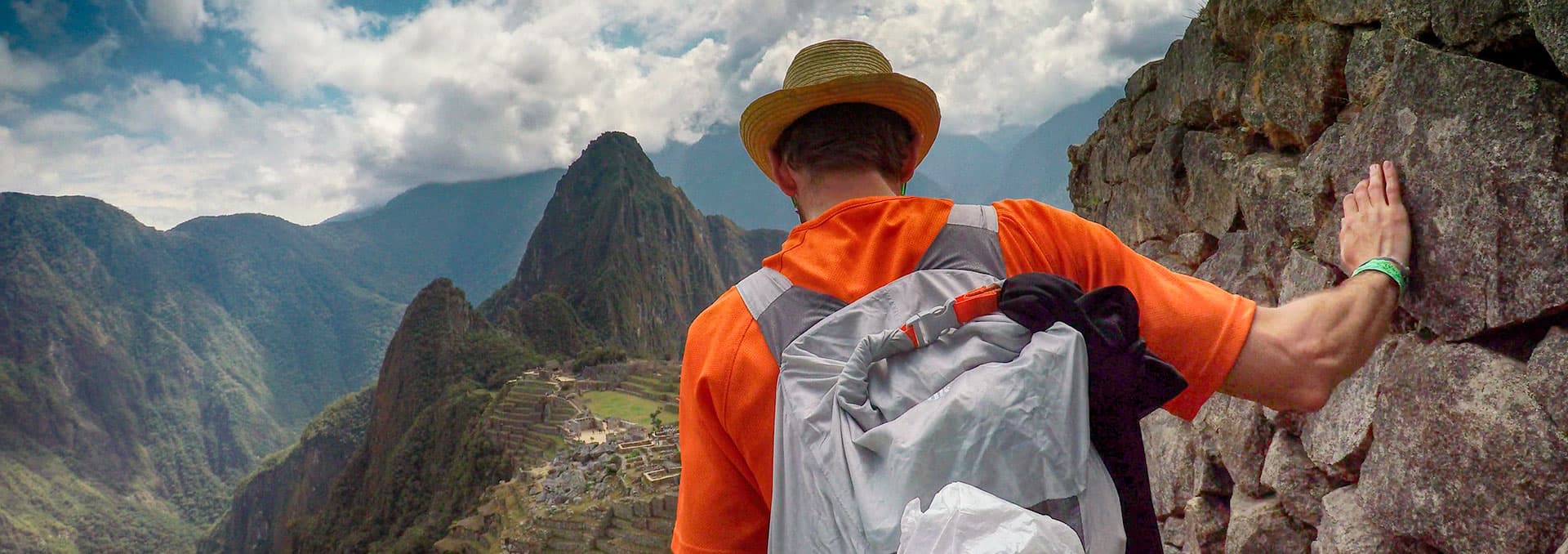
In reality, Machu Picchu sits at only 2,430 meters (7,972 feet)—nearly 1,000 meters (3,280 feet) lower than Cusco!
Machu Picchu is located on the eastern subtropical slopes of the Andes, where mountain cloud forest meets the Amazon basin:
- Cusco: 3,399 m / 11,152 ft (Alpine plateau)
- Urubamba: 2,870 m / 9,416 ft (Fertile valley floor)
- Machu Picchu: 2,430 m / 7,972 ft (Subtropical cloud forest)
Because you spent your first 48 hours acclimatizing in Urubamba, when you step onto the terraces of Machu Picchu, your body feels like you have arrived at near-sea level! You have abundant oxygen, normal energy, and no headache—allowing you to fully absorb the stone majesty of the Incas.
Hydration & Medical Essentials: Diamox vs. Coca Tea
To complement your valley descent, follow these ground-tested pharmacological rules:
- Acetazolamide (Diamox): If prescribed by your travel physician, start taking 125 mg twice daily 24 hours before arriving in Peru. Diamox is a carbonic anhydrase inhibitor that gently acidifies your blood, stimulating your brain to breathe faster even during sleep.
- Coca Tea (Mate de Coca): Excellent for mild daytime alertness and soothing stomach discomfort. However, limit intake to 2 cups per day before 2:00 PM. Coca contains natural alkaloids that act as mild stimulants; drinking it at night causes insomnia and rapid heart rates.
- Electrolyte Hydration: The mountain air is exceptionally dry. Drink 3 to 4 liters of water per day, and dissolve an oral rehydration electrolyte packet into your water bottle every morning.
- Zero Alcohol for 48 Hours: Alcohol suppresses respiration during sleep, accelerates dehydration, and severely amplifies hypoxic headaches. Save the Pisco Sour toast for your celebratory dinner in Cusco on Day 5.
Frequently Asked Questions (FAQ)
Where should I stay in Urubamba?
Premier properties with expansive gardens and quiet grounds include Sol y Luna (Relais & Châteaux), Tambo del Inka (Luxury Collection), and Sonesta Posadas del Inca Yucay. For boutique tranquility on a budget, look at small family-run lodges along the Urubamba riverbank.
Is it difficult to get luggage from Cusco Airport to Urubamba?
Not at all. When booking private transportation, your chauffeur meets you with a baggage cart at the airport curb, loads all bags into a private minivan or SUV, and drives door-to-door to your valley hotel lobby.
What if my flight lands late in the evening?
Even if you land at 8:00 PM in Cusco, driving directly down to Urubamba is still superior to sleeping in Cusco. The night highway is paved and safe with professional drivers, and you will wake up refreshed the next morning without midnight altitude panic.
Local Team Advice: Rodrigo's Alpine Acclimation Rule
As our Official Mountain Guide Rodrigo emphasizes:
"The mountain does not care about your gym fitness or marathon records. Altitude is pure physics. If you challenge Cusco on Day 1 without acclimatization, the low atmospheric pressure will win every single time. Respect the elevation, sleep low in Urubamba first, and the Andes will welcome you with open arms."