
If you are planning an international getaway from North America or Europe, three countries consistently top the wishlist: Peru, Costa Rica, and Colombia.
All three offer warm Latin warmth, rich indigenous heritage, and stunning natural landscapes. But treating them as interchangeable is the fastest way to book the wrong vacation.
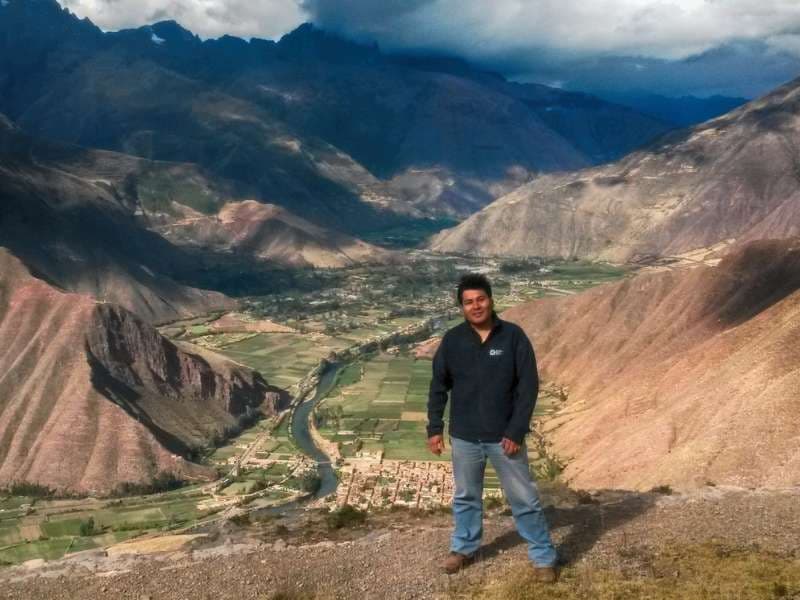
- Peru is an ancient, dramatic alpine civilization—home to stone citadels carved into granite peaks, world-ranking gastronomy, and challenging mountain passes above 15,000 feet.
- Costa Rica is a compact tropical wildlife sanctuary—celebrated for easy family canopy walks, hanging bridges, surfing beaches, and zero altitude worries.
- Colombia is a vibrant sensory explosion—renowned for lush coffee fincas, Caribbean colonial ramparts, salsa music, and warm urban energy.
To help you decide where to direct your vacation days and travel budget, our Cusco operations team has broken down all three destinations across six essential travel pillars.
Quick Comparison Matrix: Key Metrics at a Glance
← Desliza horizontalmente para comparar columnas →
| Category | Peru 🇵🇪 | Costa Rica 🇨🇷 | Colombia 🇨🇴 |
|---|---|---|---|
| Primary Attraction | Ancient Inca citadels, high-altitude Andes, deep canyons | Rainforest wildlife (sloths, toucans), active volcanoes, surf | Coffee plantations, Caribbean colonial towns, salsa culture |
| UNESCO World Heritage | 13 sites (Machu Picchu, Cusco, Nazca Lines, Chavín) | 4 sites (primarily biological reserves and stone spheres) | 9 sites (Cartagena, Coffee Cultural Landscape, San Agustín) |
| Trekking Difficulty | High (3,000 m to 5,200 m / 9,800 ft to 17,000 ft) | Low to Moderate (sea level to 1,800 m / 5,900 ft) | Moderate (sea level to 3,000 m, except Ciudad Perdida) |
| Altitude Sickness Risk | Significant (requires deliberate acclimatization) | None (virtually all tourist hubs are below 1,500 m) | Low (only in Bogotá at 2,640 m; most regions are low) |
| Gastronomy Hierarchy | World Elite (#1 Central, #5 Maido, ceviche, Nikkei) | Wholesome & Simple (casados, gallo pinto, fresh fruit) | Hearty Comfort Food (bandeja paisa, arepas, ajiaco) |
| Average Daily Cost | $130 – $240 USD (mid-range comfortable) | $180 – $320 USD (higher resort and entry costs) | $100 – $190 USD (excellent exchange rate value) |
| Ideal Trip Length | 8 to 14 days | 7 to 10 days | 8 to 12 days |
1. Archaeology & History: Monumental Wonders vs. Nature
If seeing monumental ancient civilizations built with megalithic stone architecture is on your bucket list, Peru has no competition.
- Peru: The Inca Empire and pre-Incan civilizations (Caral, Chavín, Moche, Nazca) left behind some of the most staggering architectural achievements on the planet. Standing before the granite temples of Machu Picchu, the 120-ton stone blocks of Sacsayhuamán, or the circular agricultural terraces of Moray is a transformative, humbling encounter with human history.
- Colombia: Possesses fascinating archaeological sites—such as the mysterious carved volcanic statues of San Agustín and the demanding 4-day jungle trek to the Lost City (Ciudad Perdida). However, most travelers focus on Spanish colonial architecture in Cartagena de Indias rather than ancient monumental stone ruins.
- Costa Rica: Prioritizes biodiversity over archaeology. While pre-Columbian stone spheres exist in the Diquís Delta, Costa Rica has no monumental temples, pyramids, or ancient imperial cities.
Winner for History & Archaeology: Peru (by a wide margin).
2. Hiking & Physical Demands: High-Altitude Andes vs. Rainforest Canopies
The physical reality of exploring each country could not be more distinct:
- Peru (The Alpine Master): Trekking in Peru is serious alpine mountaineering. The Classic Inca Trail reaches 4,215 meters (13,828 feet) at Dead Woman’s Pass. The Salkantay Trek crosses 4,630 meters (15,190 feet), and Rainbow Mountain summits at 5,036 meters (16,522 feet). Even non-trekkers must climb hundreds of uneven stone steps at Machu Picchu. You must respect barometric altitude, pack warm technical layers, and acclimate properly.
- Costa Rica (The Accessible Jungle): Most trails in Manuel Antonio, Arenal, and Monteverde consist of paved paths, suspension hanging bridges, and manicured boardwalks. Elevations rarely exceed 1,500 meters (5,000 feet). You will never suffer from altitude sickness, and any reasonably fit traveler or young child can complete the walks.
- Colombia (The Humid Trek): Hiking in Colombia varies from the humid, muddy jungle ascent to Ciudad Perdida (demanding high heat and river crossings) to gentle day walks through the towering wax palms of the Cocora Valley (2,400 meters).
Winner for Epic High-Altitude Trekking: Peru.
Winner for Relaxed, Low-Impact Walking: Costa Rica.
3. Wildlife & Nature: Compact Biodiversity vs. The Untamed Amazon
- Costa Rica: If your primary goal is seeing wild animals up close with minimal physical hardship, Costa Rica is unbeatable. In a 3-hour morning stroll through Manuel Antonio National Park or the Monteverde Cloud Forest, you will routinely spot two-toed sloths, white-faced capuchin monkeys, poison dart frogs, toucans, and coatis. It contains 5% of the planet's biodiversity packed into a country smaller than Lake Michigan.
- Peru: Offers immense ecological drama, but wildlife requires dedicated expeditions. The Peruvian Amazon (Manu Biosphere Reserve and Tambopata) is far more wild, expansive, and pristine than Central American forests—offering chances to see jaguars, giant river otters, and thousands of macaws at clay licks. Off the desert coast, the Ballestas Islands host millions of sea lions, Humboldt penguins, and boobies, while the Colca Canyon offers sightings of giant Andean condors gliding on thermal drafts.
- Colombia: Ranks #1 globally in bird species (over 1,900 types) and features surreal biodiversity in Tayrona National Park, where tropical jungle spills directly onto white Caribbean sand.
Winner for Easy, Guaranteed Wildlife: Costa Rica.
Winner for Untamed Expedition Ecology: Peru (Amazon & High Andes).
4. Food & Dining: Culinary Capital vs. Comfort Food
If culinary experiences dictate your travel choices, this comparison is decisive:
- Peru: Lima is widely regarded as the gastronomic capital of the Americas. With Central (named the #1 Restaurant in the World) and Maido (celebrated for Nikkei Japanese-Peruvian fusion), Peru operates in an elite global culinary tier. Beyond fine dining, everyday Peruvian food is sensational: freshly cured sea bass ceviche, wok-charred lomo saltado, aromatic ají de gallina, and over 3,000 varieties of native Andean potatoes paired with smoky huacatay herbs.
- Colombia: Delicious, hearty comfort food. A hot bowl of ajiaco (chicken and potato soup with capers and avocado) on a rainy Bogotá afternoon, warm arepas de choclo with melting cheese, and the legendary bandeja paisa are deeply satisfying, but lack the technical complexity and worldwide acclaim of Peruvian gastronomy.
- Costa Rica: Wholesome, fresh, but simple. The national staple is the casado (rice, black beans, fried plantains, cabbage salad, and grilled chicken or fish) and gallo pinto for breakfast. While ingredients are fresh, dining is rarely the highlight of an international trip to Costa Rica.
Winner for Food & Culinary Exploration: Peru (uncontested).
5. Safety & Transit Logistics: Flights, Trains vs. Rental Cars
- Costa Rica (The Self-Drive Haven): Costa Rica is peaceful, has had no standing army since 1948, and boasts the lowest violent crime rate in Central America. Many travelers rent a 4x4 SUV and drive themselves across the country on well-marked highways. English is spoken virtually everywhere in tourist corridors.
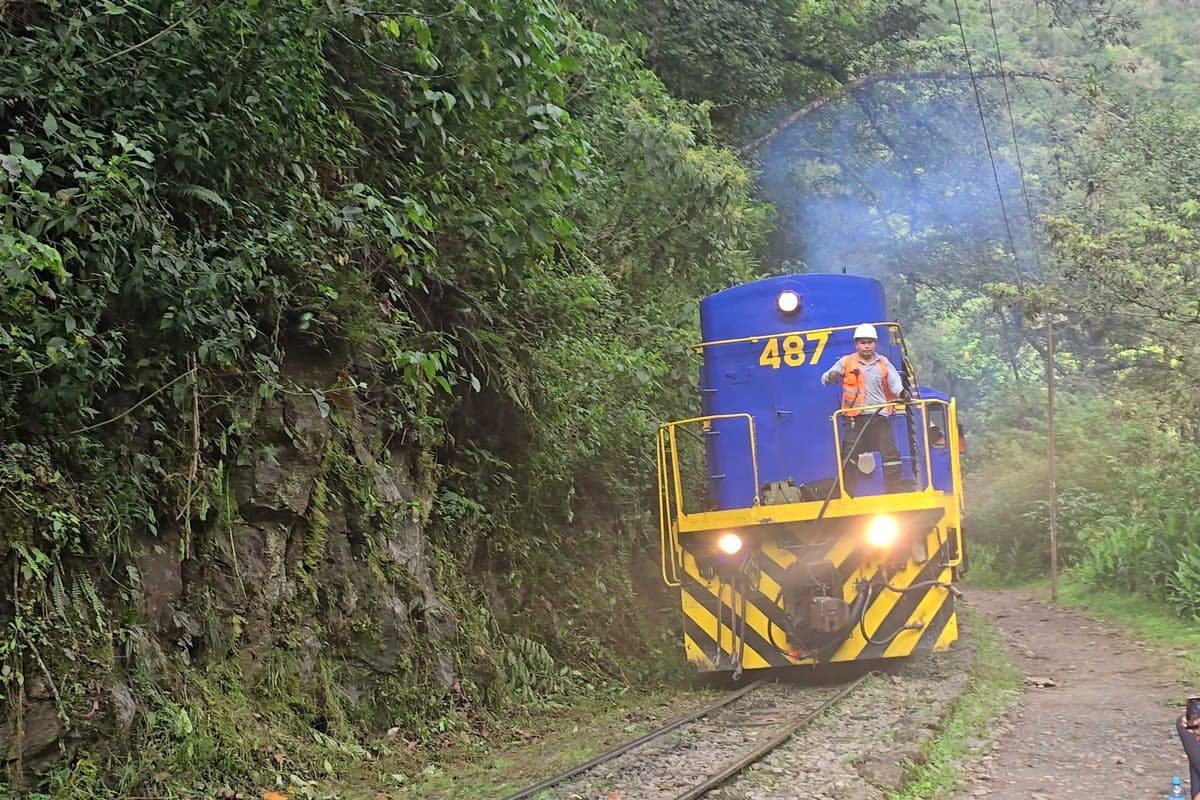
- Peru (The Coordinated Multi-Modal Route): Peru's primary tourist triangle (Lima ➔ Sacred Valley ➔ Machu Picchu ➔ Cusco) is exceptionally safe for tourists, with dedicated tourism police (POLTUR) and tight security. However, self-driving is strongly discouraged due to aggressive urban traffic and rugged Andean mountain switchbacks. Traveling smoothly requires pre-booked private chauffeurs, domestic flights, and luxury scenic trains (such as PeruRail or Inca Rail).
- Colombia (The Situational City Watch): Major destinations (Cartagena, the Coffee Axis, Villa de Leyva) are welcoming and popular. However, large metropolitan areas (Medellín, Cali, Bogotá) require vigilance regarding petty robbery, taxi apps, and avoiding deserted streets at night (no dar papaya).
Winner for Self-Drive Independence: Costa Rica.
Winner for Smooth Guided & Chauffeured Travel: Peru.
6. Budget Realities: What You Actually Spend Daily
Many travelers assume Costa Rica is cheaper because of its geographical proximity to the United States. In reality, Costa Rica has become one of the most expensive travel destinations in Latin America:
- Costa Rica Daily Budget: Expect $180 to $320 USD per person per day for mid-range travel. National park entries now average $18–$25 USD per person per park, guided wildlife walks run $60–$90 USD, and restaurant bills in hubs like Manuel Antonio, Tamarindo, or Papagayo rival resort towns in California or Florida.
- Peru Daily Budget: Mid-range comfort averages $130 to $240 USD per person per day. While train tickets to Aguas Calientes ($70–$120 USD each way) and Machu Picchu admission ($45–$65 USD) are fixed premium expenses, your everyday spending on boutique hotels, gourmet dining, and private drivers offers exceptional purchasing power.
- Colombia Daily Budget: Offers the strongest value for money among the three, averaging $100 to $190 USD per person per day thanks to a favorable exchange rate for US dollars and euros.
The Cusco Guide Verdict: Which Country Should You Pick?
Choose Peru If:
- Standing before an awe-inspiring wonder of the ancient world (Machu Picchu) has been on your bucket list for years.
- You crave high-altitude alpine vistas, glacial lakes, and multi-day mountain trekking (Inca Trail, Salkantay, Ausangate).
- You consider food, fine dining, and culinary culture an essential centerpiece of international travel.
- You want an immersive living indigenous culture where Quechua language, traditional weaving, and ancestral traditions thrive daily.
Choose Costa Rica If:
- You are traveling with young children, toddlers, or seniors who cannot handle thin air, steep stone stairs, or long travel transfers.
- Your primary dream is photographing sloths, monkeys, and colorful frogs in lush rainforests with minimal physical exertion.
- You want to rent a car, drive yourself to beaches, surf Pacific waves, and soak in hot springs at the base of active volcanoes.
Choose Colombia If:
- You love lively street music, salsa dancing, and vibrant urban neighborhood energy (Medellín, Cali).
- You want to stroll colonial Caribbean streets (Cartagena) and stay on working coffee haciendas surrounded by rolling emerald hills.
- You want maximum exchange-rate value for your travel dollar without high-altitude mountaineering.
Local Team Advice: David's Strategic Insight
As our Operations Director David notes:
"If you want a relaxed vacation where you sleep by the beach and spot a sloth in a tree before noon, book Costa Rica. But if you want a trip that changes the way you look at the planet—where you touch stone temples constructed without iron tools 8,000 feet up in the clouds, and taste dishes you will remember for the rest of your life—nothing on Earth compares to Peru."