
Bringing three generations of family together for a vacation to Machu Picchu—grandparents in their seventies, parents in their forties, and children aged eight to twelve—is one of the most rewarding milestones you can achieve.
Yet, multi-generational trips often trigger intense anxiety:
- Will my parents be able to climb the steep stone steps with their knee replacements?
- Will the high altitude cause breathing difficulties for the grandparents?
- Will the kids get bored, cranky, or overwhelmed?
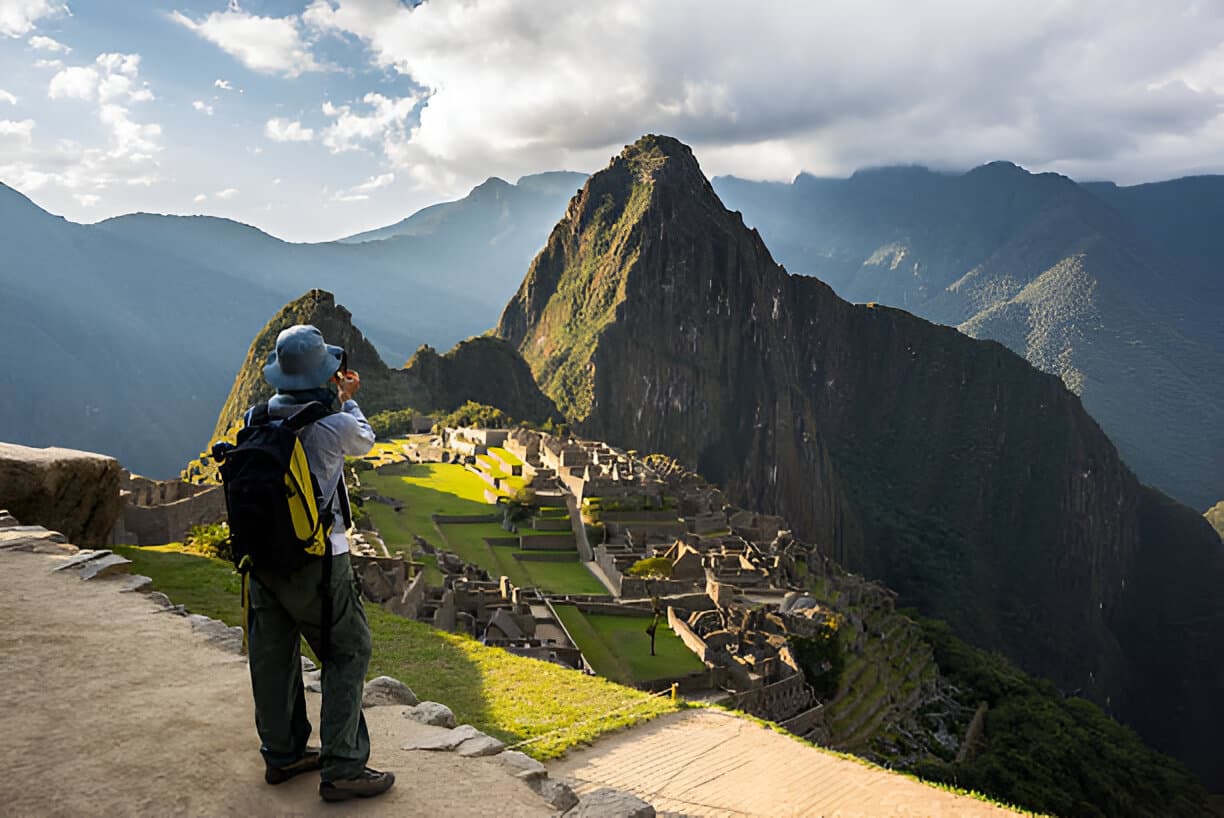
The truth is that Machu Picchu is not a flat suburban park. It is a 15th-century mountain citadel perched on a knife-edge ridge with over 1,500 irregular, hand-carved stone steps and zero elevators.
However, with thoughtful pacing, correct circuit selection, and smart hotel choices, traveling with seniors and children is not only completely safe—it is deeply joyful.
Here is the practical, ground-tested family playbook developed by our traveler care desk in Cusco.
The Multi-Generational Challenge: Balancing Energy Across Ages
A successful family journey in the Andes balances two contrasting rhythms:
- The Pace of Seniors: Needs unhurried mornings, frequent flat resting spots, zero steep stone scrambles, and gradual elevation adaptation.
- The Pace of Children: Needs visual drama, hands-on activities, animal encounters (llamas, alpacas, condors), and minimal waiting in static bus lines.
The golden rule of family travel in Peru is PRIVATE TOURS ONLY. Never join a 25-person shared group tour with grandparents or young kids. In a shared group, the guide must maintain a rigid group timetable; seniors feel rushed and guilty for walking slowly, while children get restless. A private collegiate guide adapts the step count, stopping whenever someone needs water, a photo, or a quiet bench.
Circuit Selection: Circuit 3 (Low Stairs) vs. Circuit 2 (Strenuous)
The Peruvian Ministry of Culture enforces strict one-way circuits inside the sanctuary. Choosing the wrong circuit ticket can subject elderly family members to an exhausting 3-hour stair workout.
← Desliza horizontalmente para comparar columnas →
| Official Circuit Ticket | Stair Intensity & Physical Strain | Recommended For | Core Highlights Included |
|---|---|---|---|
| Circuit 3 (Royalty / Lower Circuit) | Low / Gentle (Minimal Stairs) | Seniors (70+), mobility limitations, knee/hip replacements, families with toddlers | Enters via flat lower agricultural terraces, Temple of the Sun, House of the Inka, Temple of the Condor |
| Circuit 1 (Panoramic / Upper Terrace) | Moderate (Initial 25-min uphill climb, then flat) | Grandparents with good baseline fitness who want the postcard photo | Classic upper Guardian's House postcard viewpoint, agricultural terraces (does not enter deep urban ruins) |
| Circuit 2 (Classic Citadel Circuit) | High / Demanding (Over 1,200 steep stone steps) | Active adults, teenagers, and agile kids (8+) | Complete comprehensive tour: upper postcard terrace PLUS all lower urban temples and sacred plazas |
Local Team Recommendation: If traveling with grandparents who have joint stiffness or balance concerns, book Circuit 3. You explore the most sacred stone temples up close without the grueling vertical stair climb to the upper terrace.
Trekking Poles: The Strict Rubber-Tip Rule at the Entrance Gate
Trekking poles are an invaluable mobility aid for seniors navigating uneven stone paving. However, park regulations are strictly enforced by SERNANP rangers:
- The Rubber Tip Requirement: Metal carbide pole tips are confiscated at the entrance gate. The sharp spikes gouge and erode ancient Incan granite stairways. Your poles MUST have thick rubber protective boots (regatones de goma) firmly attached.
- Eligibility Rules: Officially, trekking poles are permitted only for travelers aged 60 and older or those with a documented physical disability. Rangers will inspect poles at the turnstile.
- Poles for Kids: Healthy children and teenagers are not permitted to use trekking poles inside the sanctuary.
Wheelchair Accessibility: Ground Realities & Porter Assistance
Can someone in a wheelchair visit Machu Picchu?
The honest answer: inside the archaeological ruins, traditional wheelchairs cannot function. The pathways consist of ancient stone stairs, narrow 60-centimeter agricultural gateways, and dirt trails with protruding granite boulders.
However, there is an accessible pathway to the experience:
- The Outer Viewpoint Terrace: From the sanctuary entrance gate, there is a stabilized stone pathway leading approximately 150 meters to the lower terrace viewpoint. An all-terrain manual transport chair can be pushed along this section.
- Support Assistant (Auxiliar de Porteo): At Daspe Travel, we can arrange dedicated private support assistants. Our team members assist with balance, carry daypacks, and provide a steady arm over uneven steps, allowing seniors to walk with complete security.
Hotel Selection: Choosing Flat-Access Properties (Avoid the 60-Step Hills)
Aguas Calientes (Machu Picchu Pueblo) is built inside a dramatically narrow river gorge. The town is divided into two distinct zones:
- The Flat Lower Zone: Surrounds the train station and the lower riverbank. Flat, paved pedestrian walkways with zero stairs.
- The Steep Upper Zone: Rises up the mountainside. Reaching hotels in this area requires climbing 50 to 90 steep, unpaved stone steps from the street.
After a long morning walking through Machu Picchu, forcing an elderly grandparent or a tired child to hike up 80 vertical steps with luggage is a disaster.
Recommended Flat-Access Family Properties:
- Inkaterra Machu Picchu Pueblo Hotel: A peaceful 12-acre cloud forest sanctuary with flat garden stone paths, hummingbird gardens, and private casitas.
- El MaPi by Inkaterra: Modern, vibrant, and located directly on the flat central pedestrian boulevard just 3 minutes from the station.
- Sumaq Machu Picchu Hotel: Five-star luxury located right along the flat Vilcanota river road with zero stair climbing.
Keeping Kids Engaged: Llamas, Train Drama & Incan Mysteries
To make the journey thrilling for younger travelers:
- Llama Encounters: Dozens of docile llamas graze freely on the agricultural terraces of Machu Picchu. Children love taking selfies with them (remind kids to keep a respectful 2-meter distance).
- The Vistadome Train Show: On the return train journey, PeruRail features a live costumed performance of the Saqra (mischievous Andean devil dance) down the carriage aisle, followed by an alpaca fashion show. Kids are mesmerized.
- Hands-on Incan Stonework: Challenge kids to find the microscopic joints where Incan master masons fitted multi-ton granite blocks together without mortar so tightly that a knife blade cannot slide between them.
- Chocolate Workshops in Cusco: On your return to Cusco, book a 2-hour family bean-to-bar chocolate making workshop at the ChocoMuseo, roasting native Peruvian cacao beans.
Altitude Safety: The Sacred Valley Cushion for Seniors
The most vital health precaution for seniors and young children is skipping Cusco on Day 1.
- Flying directly into Cusco (3,399m / 11,151 ft) places enormous sudden cardiovascular stress on older hearts and lungs.
- Instead, land at Cusco airport and drive immediately down into the Sacred Valley (Urubamba at 2,870m / 9,416 ft).
- Machu Picchu itself sits at just 2,430m (7,972 ft)—lower than many mountain ski resorts in Colorado or the European Alps!
- By spending 3 to 4 days at valley elevations, grandparents acclimatize gradually without chest tightness, insomnia, or elevated blood pressure.
Local Team Advice: Abigail's Golden Family Pacing Rules
As our Traveler Care Coordinator Abigail advises every multi-generational family:
"Family travel in the Andes is about shared wonder, not rushing. Plan fewer activities per day, schedule 90-minute sit-down lunches, and celebrate every elder's step and child's laughter. When three generations stand together on the terraces of Machu Picchu bathed in morning light, it becomes a memory your grandchildren will tell their own children fifty years from now."