
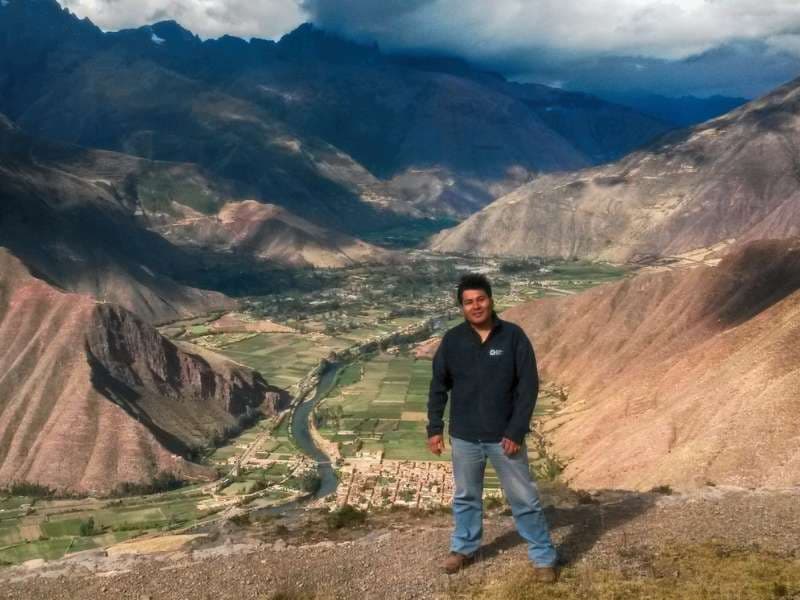
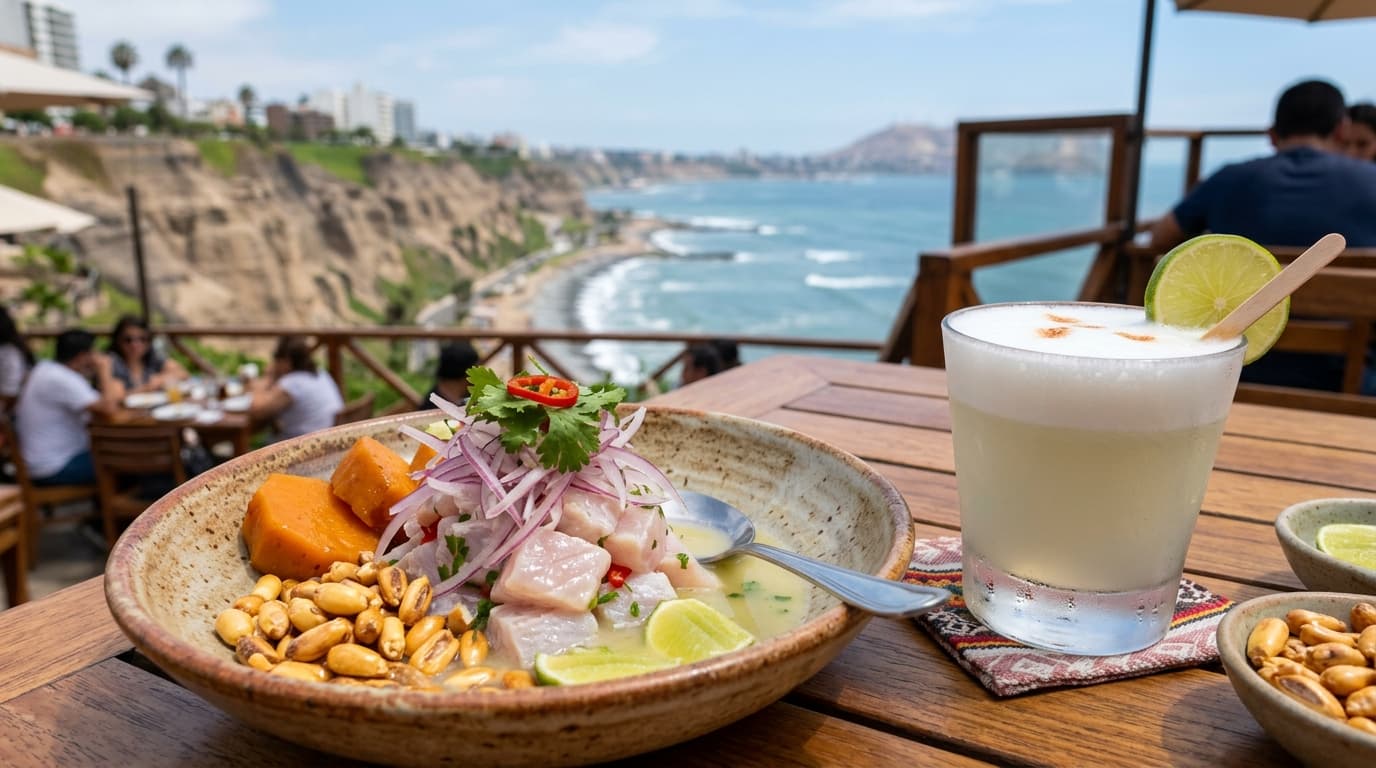
Travelers from across the United States, Canada, and Europe frequently arrive in Peru with one primary ambition: standing before the megalithic stone citadel of Machu Picchu. Yet within forty-eight hours of touching down in Lima, they discover that Peru's culinary landscape is just as profound, complex, and transformative as its archaeological heritage.
With three distinct ecological domains—an icy, Humboldt-current Pacific ocean teeming with seafood, thousands of microclimatic Andean mountain valleys cultivating over 3,000 potato varieties, and the Amazonian rainforest producing untold tropical fruits—Peru is the only country on Earth where ancestral 5,000-year-old cooking rituals coexist seamlessly with the planet's highest echelon of molecular fine dining.
Why Lima is South America's Undisputed Food Mecca
Lima was once treated by international airlines as a mere 4-hour transit hub on the way to the Andes. Today, food lovers deliberately dedicate 2 to 3 nights in Lima solely to navigate its culinary neighborhoods:
- Miraflores: The culinary epicenter, where sea-cliff ocean breezes meet high-end cevicherías, modern cocktail lounges, and bustling produce hubs like Mercado N° 1 de Surquillo.
- Barranco: Lima's bohemian arts district, characterized by 19th-century republican mansions, street murals, specialty coffee roasteries, and avant-garde dining temples like Kjolle, Mérito, and Isolina.
- San Isidro: The quiet embassy enclave harboring olive groves dating to the 1600s, fine dining institutions like Astrid & Gastón (inside the magnificent 300-year-old Casa Moreyra hacienda), and sleek pisco bars.
The Ground Truth on Reserving Central & Maido
Securing a table at Lima's world-famous gastronomic flagships requires military precision. Here is the operational reality from our ground desk in Peru:
1. Central (Virgilio Martínez & Pía León)
- Status: Ranked #1 in The World's 50 Best Restaurants.
- The Experience: The Alturas Mater tasting menu takes diners on an ascent through Peru's ecological elevations, from marine algae 15 meters below sea level to edible clay and high-altitude Andean cyanobacteria at 4,200 meters.
- How to Book: Central does not take daily bookings months out. Instead, they release blocks of 3 to 4 months roughly three times per calendar year at midnight Lima time (PET, UTC-5) on their official online booking portal. Slots generally sell out in less than 20 minutes.
- Pro Tip: Join their online waitlist immediately if your desired date is full. Because international flight itineraries change frequently, tables open up 48 to 72 hours before service.
2. Maido (Mitsuharu "Micha" Tsumura)
- Status: Consistently ranked among the top 5 restaurants on Earth; the supreme temple of Nikkei cuisine (the Japanese-Peruvian culinary synthesis developed over 120 years).
- The Experience: Amazonian paiche fish, 50-hour braised beef short ribs with sweet miso and rocoto, and nigiri glazed with cured duck egg yolk and Amazonian chiles.
- How to Book: Maido opens reservations 90 days in advance on the 1st of each calendar month at 10:00 AM Lima time. Tables for Friday and Saturday dinners book out within hours.
Beyond the Big Two: Kjolle, Mérito, and Criollo Taverns
If you cannot align your trip dates with Central's release window, do not despair. Lima's dining bench is extraordinarily deep:
- Kjolle (Barranco): Helmed by Pía León (crowned World's Best Female Chef), located inside the exact same Casa Tupac garden compound as Central. It offers a brighter, slightly more flexible menu focusing on vibrant Amazonian and Andean biodiversity with an extraordinary natural wine and cocktail program.
- Mérito (Barranco): Led by Venezuelan-born Central alumnus Juan Luis Martínez. Unpretentious, rustic brick walls housing mind-bending combinations of Peruvian tubers, plantains, and grilled seafood cooked over wood fire.
- Isolina Taberna Peruana (Barranco): The absolute antidote to tiny fine-dining tweezers. Isolina serves colossal, soul-warming portions of historic comida criolla served in vintage enameled dishes: Seco de Asado de Tira, Ossobuco, and the finest Causa Limeña in the capital. Go with an appetite and share family-style.
- Canta Rana (Barranco): An old-school, soccer-memorabilia-plastered neighborhood institution. The place to drink ice-cold Cusqueña beer while eating Ceviche Mixto overflowing with tender octopus, calamari, and giant Andean corn (choclo).
Ceviche Daylight Rules & Market Street Food Safety
International travelers often ask whether it is safe to eat street food and market ceviche in Peru. The answer is an emphatic yes, provided you follow three golden field rules:
- Strict Daylight Hours for Seafood: Authentic limeños eat ceviche between 11:00 AM and 3:30 PM. The Humboldt current fishing fleets land their catch at Callao and Chorrillos at 4:30 AM. Fresh ceviche is not cooked with heat—it is flash-cured in raw lime juice (leche de tigre) for under 90 seconds. Eating raw fish at a cheap night tavern is the #1 mistake tourists make.
- Surquillo Market N° 1: Located a short walk from Parque Kennedy in Miraflores, this is where Lima's master chefs shop for provisions. Joining a guided culinary tour—like our Lima Gourmet Food Tour: Surquillo Market, Ceviche & Barranco—guarantees you visit family vendors vetted for decades of immaculate food safety while learning the chemistry of rocoto chiles, ají amarillo, and wild sea bass.
- Pisco Sour Mastery: Never drink cheap bar pisco. A proper Pisco Sour is made with 100% pure Quebranta or Acholado grape distillate, freshly squeezed Peruvian key lime juice (which has higher acidity than standard Persian limes), simple syrup, and fresh egg white whipped into a silky foam, finished with two drops of Angostura bitters.
The Andean Counterpoint: Traditional Sacred Valley Pachamanca
Once your plane leaves the Pacific coast and lands in Cusco at 3,400 meters (11,150 ft), the culinary philosophy shifts from coastal seafood to ancestral earth cooking.
The pinnacle of Andean gastronomy is the Pachamanca (from the Quechua Pacha, meaning Earth, and Manka, meaning pot or oven). Dating back over 1,500 years to the Wari and Incan cultures, it is an agricultural thanksgiving ritual rather than a mere cooking technique:
- The Volcanic Fire: Porous volcanic river stones are heated for 2 hours over an aromatic wood fire until glowing white-hot.
- The Earth Layering: A shallow pit is dug in rich mountain soil. The hot stones form the base, upon which locally marinated pork, lamb, and chicken are laid, followed by layers of heirloom potatoes (papas nativas), sweet potatoes (camote), broad beans (habas), and sweet corn humitas.
- The Sacred Herbs: The feast is covered in wild mountain herbs—primarily Huacatay (black mint) and Chincho—which release a fragrant, woodsy steam before being sealed under damp plantain leaves and clean topsoil for 45 minutes.
When the earth oven is ceremonially unveiled, the meats are so tender they fall from the bone, infused with the smoky minerals of the Andes. Pair this with a visit to the concentric agricultural microclimate terraces of Moray on our Sacred Valley Traditional Pachamanca & Moray Farm-to-Table Experience.
The Field Verdict: How to Build Your Peru Foodie Itinerary
To experience the very best of Peru's culinary revolution without travel fatigue or digestive hiccups, follow this battle-tested itinerary framework:
- Days 1–2 (Lima Coast): Arrive at sea level. Dedicate Day 1 to a guided market tour, ceviche masterclass, and casual dinner at Isolina or Mérito. Dedicate Day 2 to your fine-dining tasting menu at Central, Maido, or Kjolle.
- Day 3 (Transit to Sacred Valley): Fly from Lima to Cusco, but skip sleeping at high altitude on Night 1. Have our private driver transfer you directly down to the Sacred Valley (2,870m / 9,416 ft) for gentle, restful acclimatization.
- Day 4 (Andean Earth Cooking): Immerse yourself in the ancestral Pachamanca earth-oven feast at an organic hacienda paired with Moray and Maras salt pans.
- Days 5–6 (Machu Picchu & Cusco): Ascend to Machu Picchu by panoramic train, returning to Cusco for craft beer, Andean trout, and specialty highland coffee at San Blas.
Planning a culinary journey to Peru? Our operations desk in Cusco coordinates seamless restaurant alignments, airport transfers, and bespoke foodie expeditions across Lima and the Andes. Connect directly with our team on WhatsApp or customize your journey using our visual trip planner.