Paved Heritage vs. Remote Frontier
When planning a challenging multi-day hike in the Cusco region, experienced trekkers often consider two iconic destinations: the world-famous stone highway to Machu Picchu, or the demanding canyon trail to its remote sister citadel, Choquequirao.
Both complexes showcase 15th-century Inca architecture perched dramatically above deep Andean valleys. Yet the two routes present entirely different physical, logistical, and crowd profiles:
- Classic Inca Trail 4D/3N: A celebrated stone pilgrimage. Paved staircases, preserved archaeological checkpoints, strict 500-person daily quotas, porters carrying all camp gear, and the classic sunrise arrival at the Sun Gate (Inti Punku).
- Choquequirao Expedition 4D/3N: A remote mountain expedition. A steep 1,500-meter vertical descent into the arid Apurímac River canyon followed by a 1,550-meter climb to an expansive stone citadel that sees a fraction of Machu Picchu's foot traffic.
Here is an honest, field-tested comparison from our Cusco mountain guiding team.
At-a-Glance: Choquequirao vs. Classic Inca Trail
| Comparison Dimension | Choquequirao Expedition (4D/3N) | Classic Inca Trail (4D/3N) |
|---|---|---|
| Total Hiking Distance | 44 km (27.3 miles) out-and-back | 42 km (26.1 miles) point-to-point |
| Maximum Pass Altitude | 3,050 m (10,007 ft) (Citadel & Camp) | 4,215 m (13,828 ft) (Dead Woman's Pass) |
| Total Elevation Gain/Loss | ±3,100 m (±10,170 ft) (Canyon plunge) | +1,800 m / -2,400 m (Stair passes) |
| Physical Demand | Strenuous (Steep vertical switchbacks) | Moderate to Strenuous (High stair impact) |
| Permit Quotas | No quota limit (Registered at trailhead) | 500 permits/day (Sells out months ahead) |
| Daily Visitors | ~20 to 30 hikers/day (Quiet solitude) | 500 hikers and crew/day (Busy trail) |
| Gear Transport | Pack mules and horses | Quechua porters only (Animals banned) |
| Access Infrastructure | 100% on foot (No train or road access) | Train & bus connections at trail finish |
| Camp Facilities | Basic mountain camp areas with flush toilets | Designated SERNANP camp blocks |
| Archaeological Payoff | Massive, quiet ruins & quartz llama terraces | Restored wonder with Sun Gate arrival |
Vertical Gradient & Microclimates: The Apurímac Canyon
Hikers looking only at maximum altitude figures often assume that the Classic Inca Trail is more demanding because its highest pass is higher.
While Dead Woman's Pass (Warmiwañusqa) tops out at 4,215 m (13,828 ft)—requiring careful prior acclimatization—the physical workload on Choquequirao is significantly steeper:
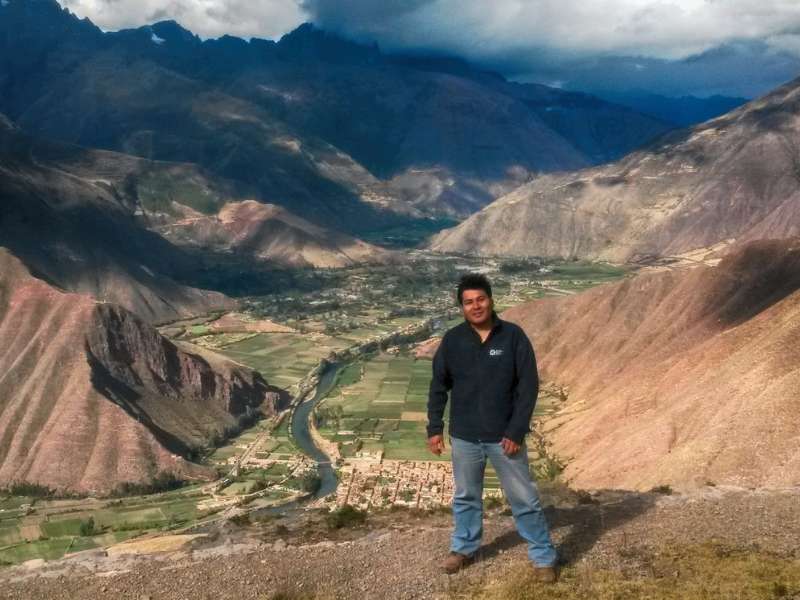
- The Canyon Profile: The Inca Trail climbs and descends along stone pathways. Choquequirao is an inverted canyon trek. On Day 1, you leave Capuliyoc (2,900 m / 9,514 ft) and plunge 1,500 vertical meters (4,921 ft) down dirt switchbacks to Playa Rosalina (1,500 m / 4,921 ft).
- Temperature Shifts: At the canyon rim, the air is cool (10°C to 15°C / 50°F to 59°F). Near the river floor at midday, heat gets trapped by steep rock walls, with temperatures reaching 30°C to 32°C (86°F to 90°F).
- The Climb to Marampata: On Day 2, you cross the pedestrian bridge over the Apurímac River and face a 1,550-meter vertical ascent up to Marampata (2,870 m / 9,416 ft)—around 4 to 5 hours of steep switchbacks under the sun.
Field Tip: Start hiking out of Chiquisca or Playa Rosalina by 5:00 AM. Tackling the lowest section of the canyon switchbacks before midday minimizes heat strain and dehydration.
Permits & Solitude: 500 Daily Quotas vs. Open Gates
The difference in trail density between the two routes is dramatic:
- Inca Trail Quotas: With a strict daily cap of 500 people (including guides, cooks, and porters), tourist permits are limited to roughly 180 to 200 per day. For the May–September dry season, dates sell out 4 to 6 months in advance.
- Choquequirao Open Access: Choquequirao does not operate on a permit quota lottery. Entry tickets are purchased upon arrival at the trailhead checkpoint for approximately S/ 60 PEN (~$16 USD).
- Solitude on Site: At Choquequirao, you can walk through the grand ceremonial plaza, residential quarters, and agricultural terraces with barely another group in sight. The only ambient sound is the Apurímac River in the valley below.
Logistics: Pack Mules vs. Porters
Logistics differ based on trail terrain:
- Inca Trail Porters: To protect ancient stone stairways from erosion, pack animals are banned. Registered Quechua porters carry all expedition equipment under strict legal weight caps (20 kg / 44 lbs total, with 5 to 6 kg allocated for personal duffels).
- Choquequirao Pack Animals: The dirt trails of Choquequirao accommodate sturdy pack mules and local wranglers (arrieros). Mules carry kitchen gear, tents, and personal duffels up to 7 kg (15.4 lbs), allowing you to hike with only a light daypack.
The Citadel Experience: Machu Picchu vs. Choquequirao
Both sites represent remarkable examples of 15th-century Incan architecture, but provide very different visit experiences:
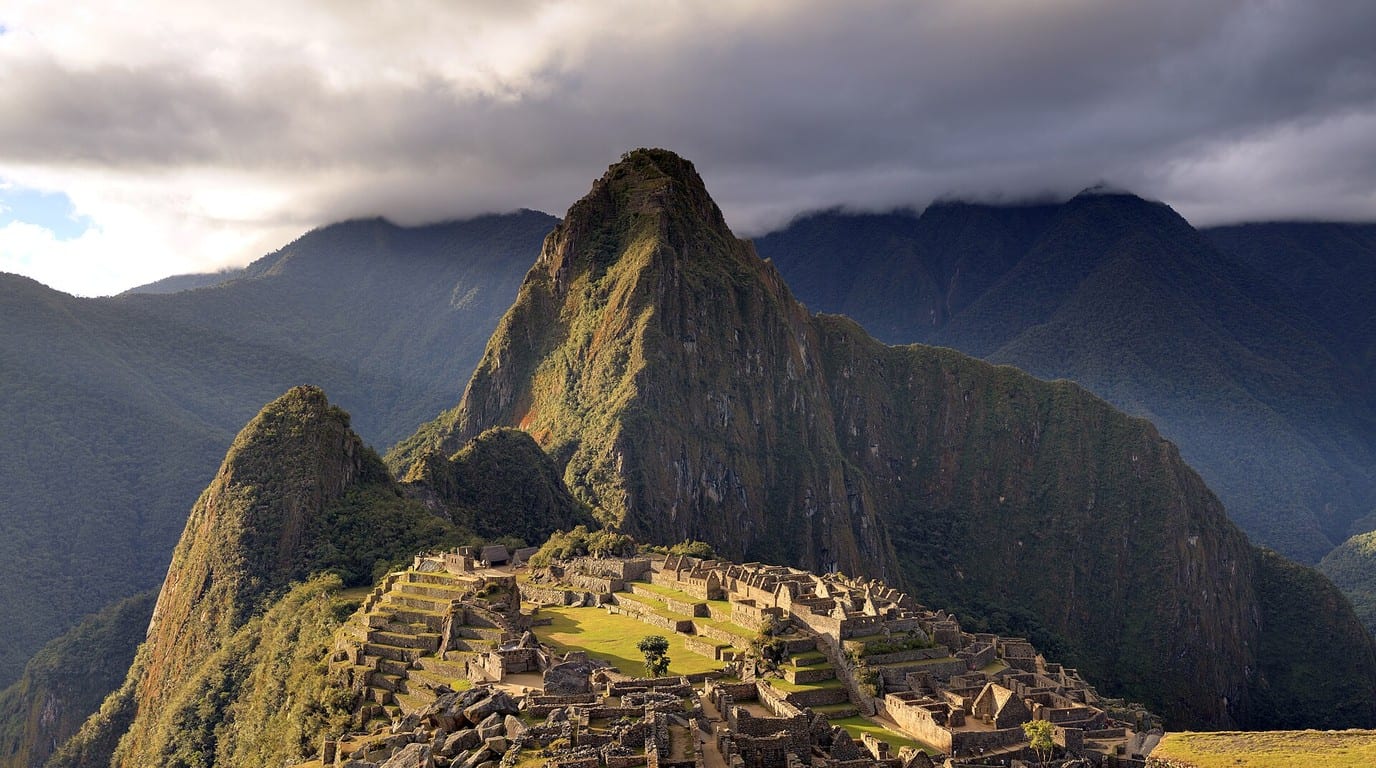
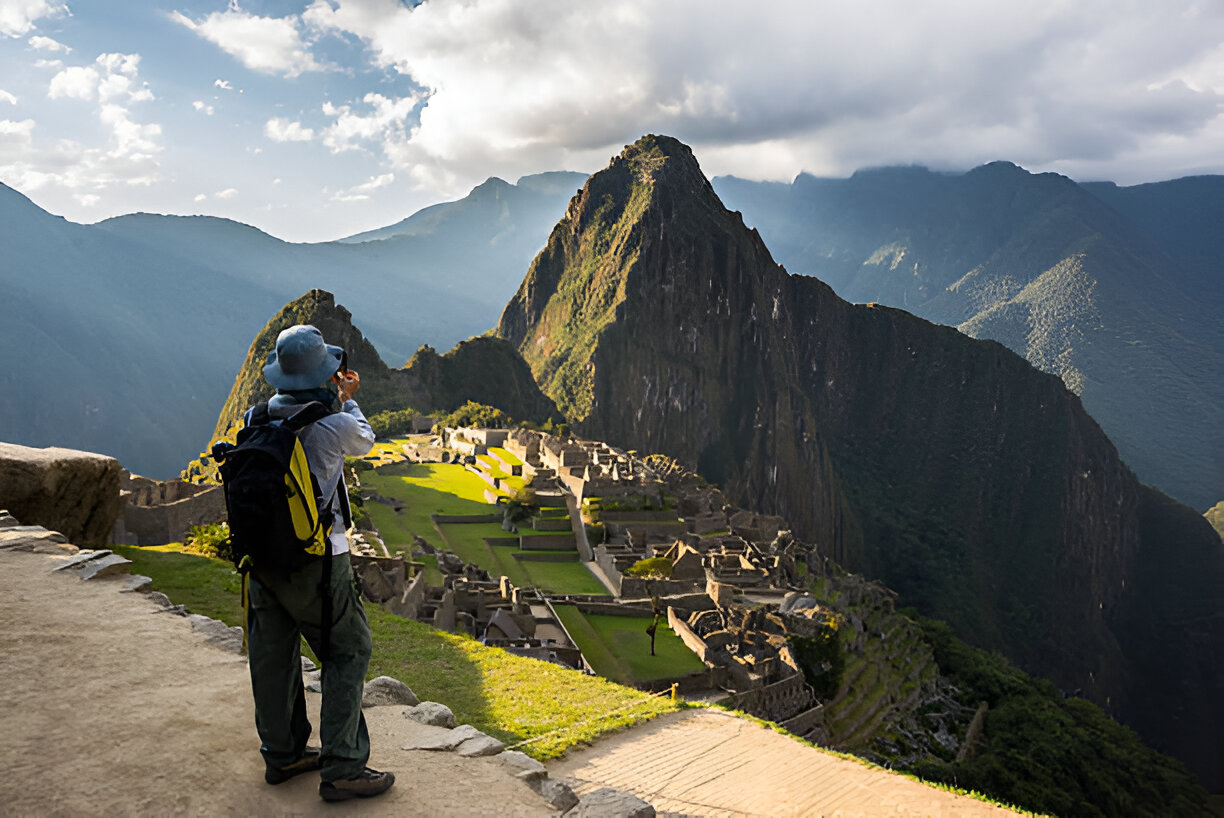
- Machu Picchu: Impressive imperial stonework and restored urban sectors. Arriving through the Sun Gate on foot after 4 days of trekking is deeply rewarding. However, inside the citadel, you follow fixed one-way circuits alongside train and bus visitors.
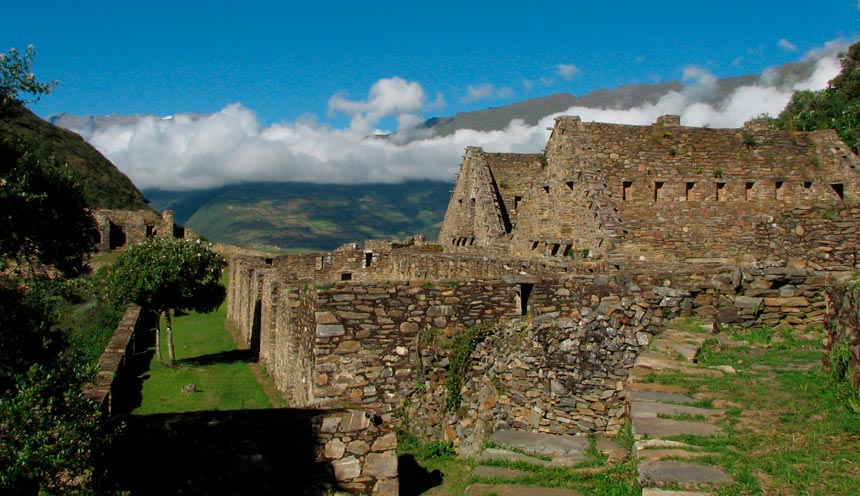
- Choquequirao: Built as an administrative and ceremonial fortress perched above the Apurímac, Choquequirao is believed to be only partially excavated from the cloud forest. Its signature architectural achievement is the Terraces of the Llamas (Llamas del Sol)—24 agricultural terraces where white quartz stones form life-sized figures of llamas embedded into the dark masonry. You can explore the site at your own pace without ropes or crowd pressure.
Which Trek Matches Your Ambition?
- Choose the Classic Inca Trail (4D/3N) if: It is your first visit to Peru, walking through the Sun Gate into Machu Picchu is your dream, you can book 4 to 6 months ahead, and your knees handle long stone staircases well.
- Choose the Choquequirao Expedition (4D/3N) if: You are a strong hiker looking for a demanding physical trek, you value wilderness solitude, you prefer open booking without permit stress, and you want to experience an expansive Incan citadel without crowds.